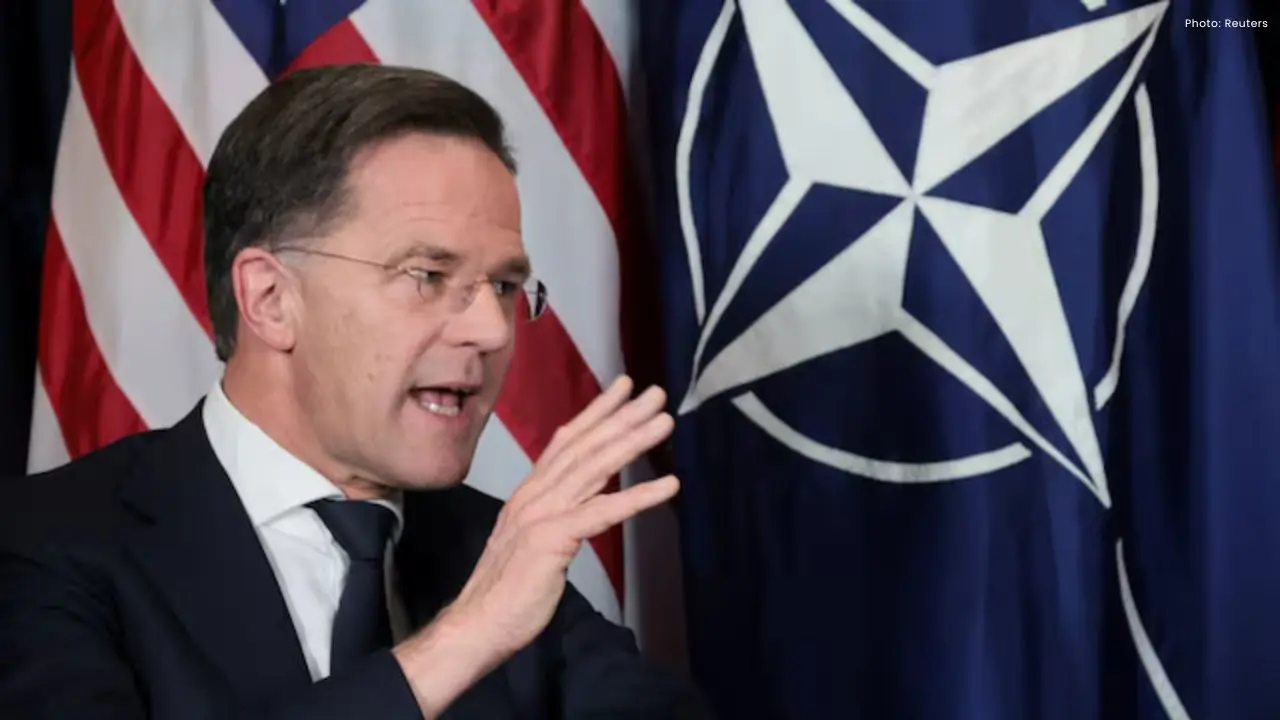
NATO Secretary General Mark Rutte noted that discussions with U.S. President Donald Trump have emphasized the importance of securing the Arctic from increasing Russian and Chinese endeavors. Addressing the World Economic Forum in Davos, Rutte elaborated that Arctic security has emerged as a priority for NATO, given the heightened interest from global powers in the region’s strategic assets, natural resources, and trade routes.
The melting ice in the Arctic is giving rise to new, quicker maritime pathways linking Asia, Europe, and North America. This shift has heightened the region's significance, revealing vast mineral and energy reserves. Consequently, NATO leaders are concerned about who will control and influence the area. Rutte mentioned discussions on how NATO allies can collaboratively safeguard the Arctic and counteract other powers' encroachment.
The conversations also included Greenland, a Danish territory that gained worldwide focus after President Trump voiced intentions to acquire it for national security. While these comments sparked unease within NATO, Trump assured that he would not resort to force and indicated a preference for a peaceful negotiation, alleviating tensions with allies, particularly Denmark.
Rutte emphasized that NATO's strategy encompasses more than just Greenland. He reminded that seven NATO nations possess land in the Arctic, each contributing to the maintenance of regional stability and security. Future talks will expand upon previous discussions held in Washington involving U.S. officials and representatives from Denmark and Greenland.
A significant outcome from the Davos meetings, according to Rutte, is the collective aim of barring both China and Russia from infiltrating Greenland’s economy and military operations. He highlighted NATO's commitment to preventing either nation from gaining foothold that could jeopardize regional or global peace, which includes curbing foreign participation in infrastructure and defense activities.
Chinese authorities have firmly denied allegations of presenting a military threat in the Arctic. They assert that their activities in the area target scientific endeavors and commercial shipping in compliance with international regulations. State-supported Chinese media lambasted Western nations for allegedly overstating China's influence and generating unfounded concerns. Beijing also emphasized that no military installations have been established in the Arctic.
Conversely, China has ramped up its commercial initiatives within the region. Last October, a Chinese shipping vessel completed an unprecedented route through Arctic waters to Europe, significantly shortening delivery times. Beijing portrays these routes as part of its broader trade strategy rather than military expansion.
Nevertheless, NATO allies remain vigilant. Tensions flared in July 2024 when both the U.S. and Canada dispatched fighter jets following a combined patrol of nuclear-capable bombers by China and Russia near Alaska. This event raised fears about potential military collaboration between Moscow and Beijing in the Arctic.
Russia, which continues to assert a robust presence in the Arctic, has been augmenting its military infrastructure there. NATO regards this as a crucial impetus to strengthen coordination among its members. The alliance believes preemptive cooperation is vital to avert future conflicts.
Rutte reiterated that NATO's intent is not to incite conflict but to uphold peace and stability. By maintaining close cooperation among allies and establishing clear boundaries, NATO aims to ensure the Arctic remains secure and governed by international regulations, rather than being a battleground of power struggles.
As global dynamics shift northward, the Arctic has transitioned from a remote, frigid wilderness into a pivotal arena for security, commerce, and diplomacy. The discussions between NATO and President Trump underscore that Western leaders recognize this change and are gearing up for long-term challenges in the region.