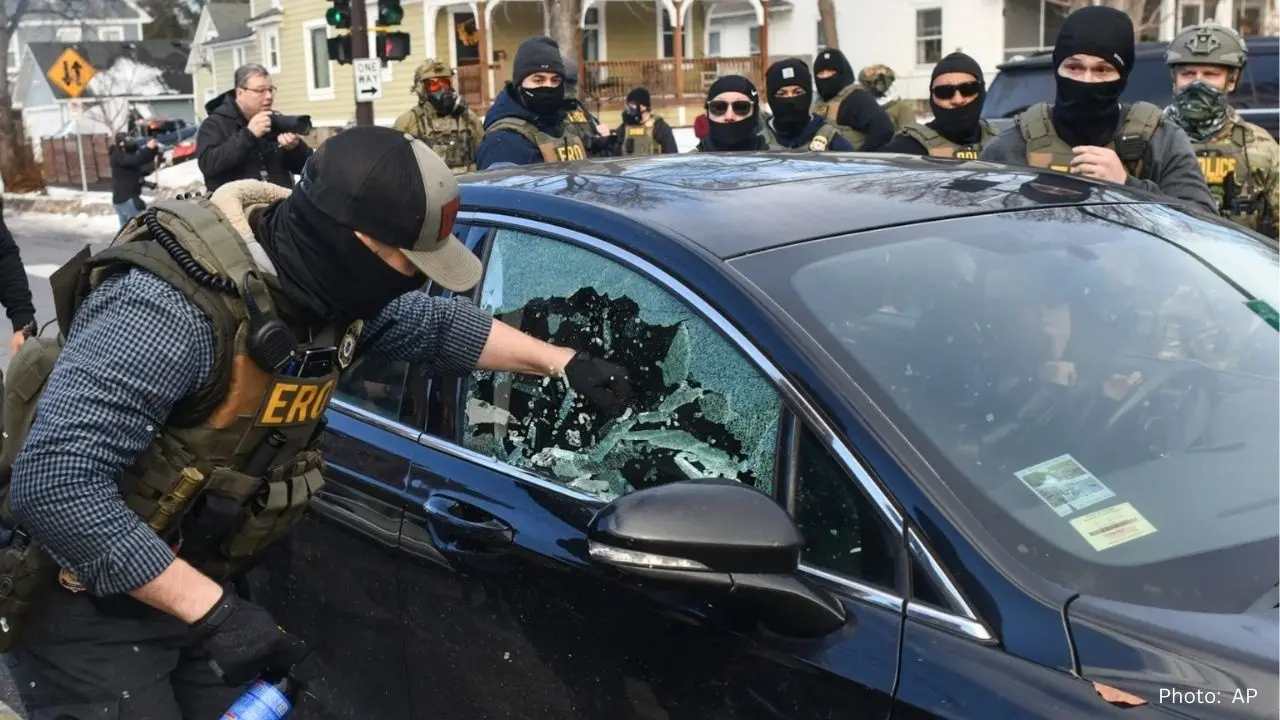
In Minnesota, tensions have escalated following the tragic shooting of Renee Good, a resident of Minneapolis, by a federal immigration officer. Initially rooted in sorrow, the community's grief has evolved into ongoing protests, confrontations with federal agents, and increasing worry over the government's response to the situation.
Renee Good, a 37-year-old mother, was tragically shot in the head while leaving the scene during an interaction with immigration authorities. The location of her death has transformed into a focal point for demonstrators. Locals and activists are rallying to seek accountability and reforms in federal immigration practices.
For days, protesters have faced off against federal agents in Minneapolis. Tear gas and pepper spray have been used to control crowds, while demonstrators respond with whistles, drums, and calls for change to spotlight the immigration agents’ presence in their areas. Many believe these actions serve as a warning, indicating that the community is vigilant.
The unrest has spread beyond city limits, with students from suburban schools joining protests against federal immigration actions, highlighting the widespread concern. Large groups have also congregated outside federal buildings believed to house immigration personnel.
The implications of Good’s death have reached the legal community, with five federal prosecutors resigning from Minnesota's U.S. Attorney’s Office. Their resignations stem from disagreements regarding the government's investigation into the incident. While the FBI investigates, a Justice Department representative stated there is no foundation for a criminal civil rights proceeding, which has only fueled public dissatisfaction.
In response, Minnesota’s state government and the municipalities of Minneapolis and St. Paul have launched a lawsuit against the federal government, claiming that the significant deployment of immigration agents infringes upon constitutional rights, including free speech and protection from unwarranted targeting. Officials assert that the heavy federal presence is sowing fear in local communities.
Defending their actions, federal authorities note that over 2,000 arrests have been made in Minnesota since December, insisting that operations will persist. The Trump administration has also supported the officer who shot Good, citing self-defense, a claim that state and local leaders vehemently contest, especially in light of video evidence raising critical questions.
As protests carry on, the court system is now being urged to determine whether federal agents should be limited in their use of chemical irritants against bystanders who are documenting their actions. Civil rights groups assert that such force stifles peaceful protest and public accountability.
The death of Renee Good has transcended a singular heart-wrenching event, igniting a larger conversation about immigration enforcement, federal officer conduct, and the equilibrium between public safety and civil liberties. For many in Minnesota, this moment symbolizes a pivotal change that may influence trust in governmental and law enforcement institutions for years to come.