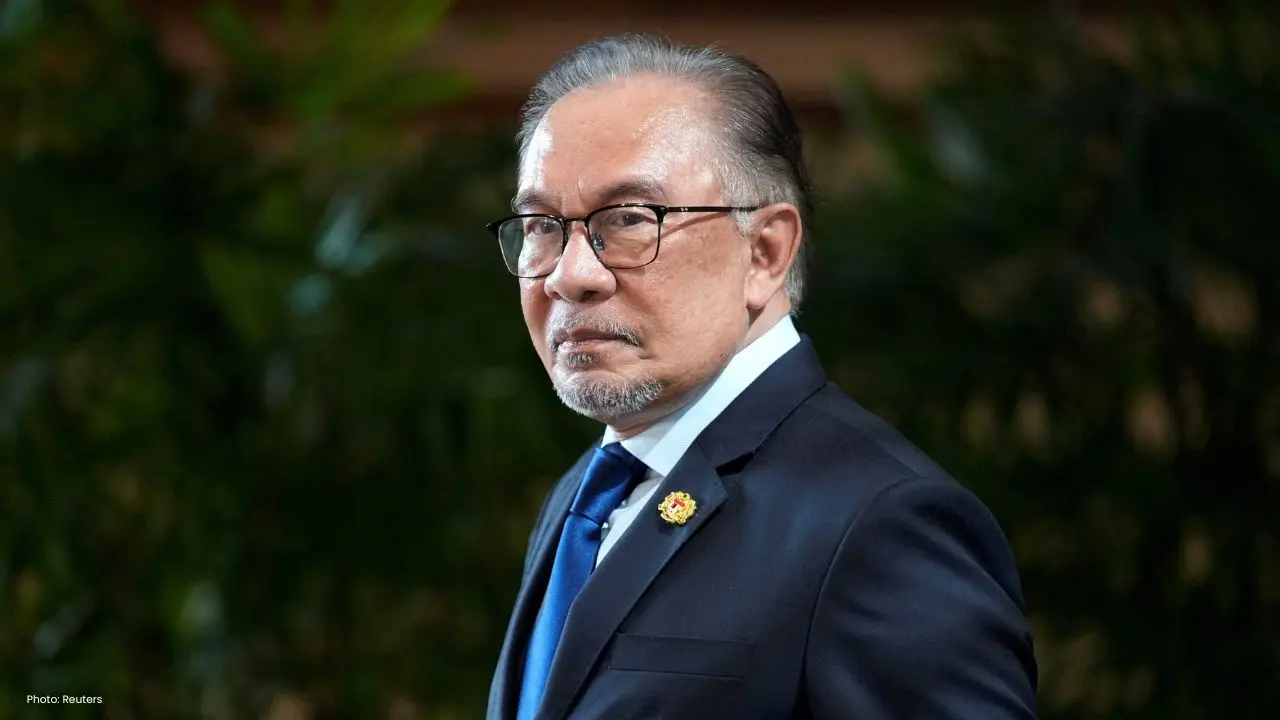
Prime Minister Datuk Seri Anwar Ibrahim has emphasized that Malaysia has communicated the details of its recent trade agreement with the United States to Beijing, ensuring China that the arrangement will not disrupt Malaysia’s enduring relations with the country.
During the unveiling of Perodua’s inaugural electric vehicle at Menara Miti, Anwar relayed the same assurance directly to Chinese Premier Li Qiang.
“They sought clarification, and we have given it. There’s no need for alarm. China is still a crucial trading ally,” he informed reporters.
Earlier, Beijing had lodged formal diplomatic grievances with both Malaysia and Cambodia regarding the trade agreements finalized with Washington at last month’s ASEAN Summit. China’s Ministry of Commerce had revealed “serious concerns” about some sections of the agreement, as per a governmental statement.
China's worries mainly revolve around stipulations necessitating Malaysia and Cambodia to comply with U.S. national security protocols, incorporating export controls, sanctions on sensitive technologies, and restrictions on defense collaboration with other nations.
On October 26, Malaysia finalized the Agreement on Reciprocal Trade (ART) with the United States. The pact obliges Malaysia to adhere to U.S. trade limitations and guarantees that its enterprises do not assist other nations in evading those regulations. Additionally, the agreement entails commitments to enhance defense-related trade with Washington.
In exchange, Malaysia will gain preferential access for its products and services, along with exemptions from a 19 percent reciprocal tariff imposed by the U.S. on select goods.
Cambodia has also entered a similar agreement, removing tariffs on a broad spectrum of U.S. agricultural and industrial products in return for analogous tariff exemptions.
These agreements are part of a broader series of economic and security pacts signed during President Donald Trump’s recent tour of Asia, which included stops in Vietnam and Thailand.