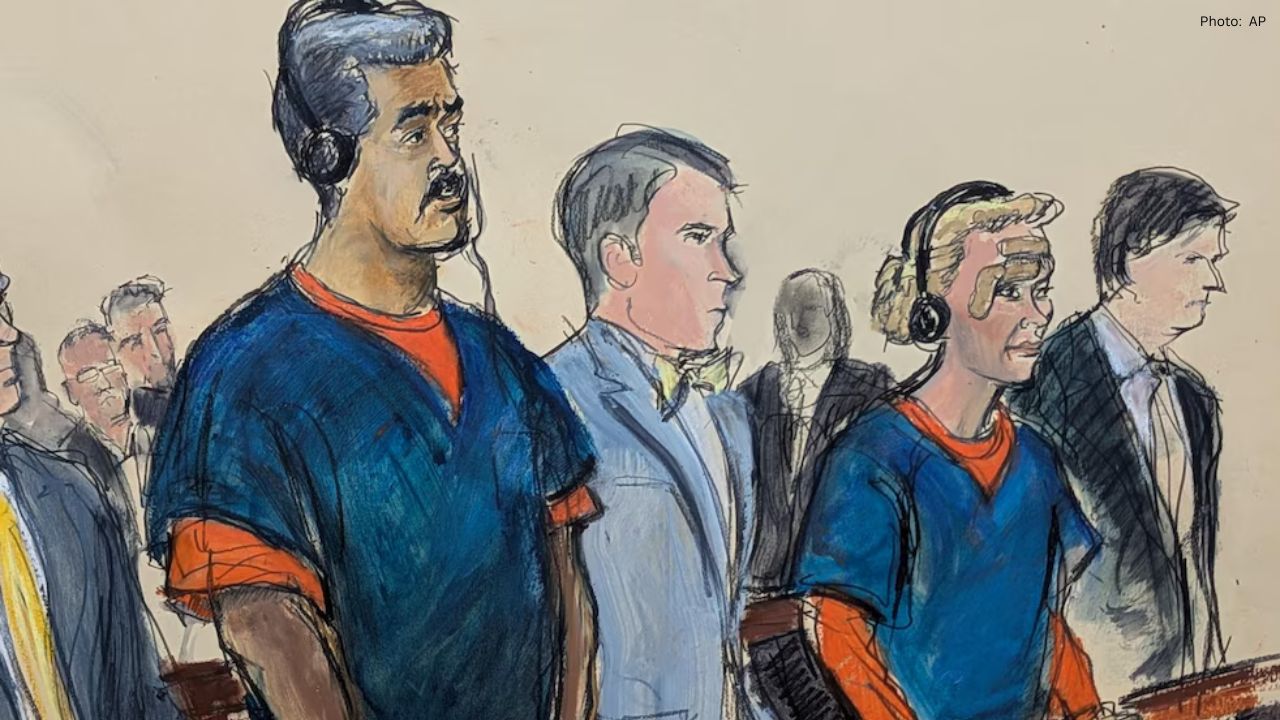
The apprehension of Nicolás Maduro, the former president of Venezuela, by U.S. authorities has sparked widespread alarm among global leaders, legal authorities, and international organizations. There are significant concerns that this move may undermine the global legal framework established to prevent turmoil and conflict following the turmoil of the 20th century.
In the aftermath of two world wars that claimed countless lives, nations united to create international laws through the United Nations. These regulations were intended to safeguard national sovereignty, thwart the abuse of force, and foster peaceful resolutions to disputes. However, the current scenario reveals strains as dominant nations engage in actions perceived as violations of these collective standards.
Following his capture, Maduro was brought to New York to face severe allegations related to drug trafficking and narco-terrorism. U.S. government officials assert the legality and necessity of their operation, describing criminal entities in Venezuela as significant threats and portraying the nation as a hub for illicit activities undermining global security.
The Trump administration classified the Venezuelan drug cartels as unlawful combatants, arguing that this perspective legitimizes America's involvement in an armed confrontation with these factions. They contend this rationale provided the backing for executing a military-type operation to seize Maduro and his spouse, Cilia Flores.
At the United Nations, responses have been measured and grave. Senior U.N. official Rosemary DiCarlo cautioned the Security Council that international stability relies on the adherence of all states to the U.N. Charter. She emphasized that deviations from these regulations could amplify instability in Venezuela and potentially throughout the globe.
Numerous nations express fears that such actions may establish a perilous precedent. If one country can forcibly unseat another's leader, it could embolden others to justify similar actions. This scenario threatens to erode respect for national autonomy and potentially lead to increased conflicts instead of resolutions.
Proponents of the U.S. intervention logic argue that deposing Maduro was essential to dismantle criminal organizations and uphold justice. On the contrary, critics argue that irrespective of the charges, no nation should bypass international law. They express concerns about reverting to a world where power dynamics dictate justice rather than cohesive regulations.
The discourse is not confined to Venezuela but raises broader questions of global order. Will nations uphold international law, or will power and military might overshadow diplomacy and collaboration?
As legal proceedings regarding Maduro progress, the world remains vigilant. The results will not only influence Venezuela's future but may also redefine how nations respond to future crises. This situation underscores that international peace hinges on mutual trust in established norms—once that trust is compromised, rebuilding it can be an arduous task.