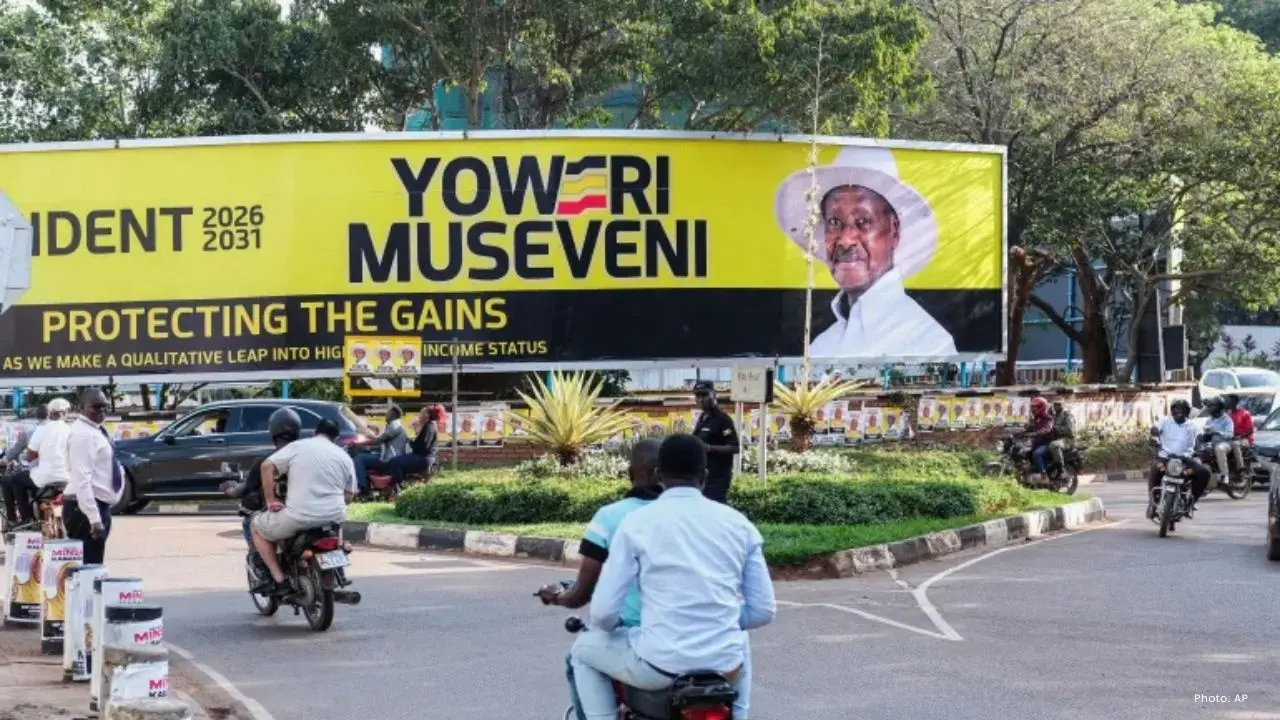
Across multiple nations in Africa, the same leaders have dominated the political landscape for decades. From Uganda in the East to Cameroon in the Central region, generations have been raised under the reign of these long-serving presidents. This enduring trend stirs critical conversations about democracy, governance, and accountability in the region.
Take Cameroon, for example. President Paul Biya has held power since 1982, having altered laws that limit presidential tenure. His ability to contest and win elections, even in his 90s, highlights the troubling nature of his extended rule. While supporters cite stability as a benefit, detractors argue that such longevity undermines democratic institutions and curtails political freedoms.
Similarly, Uganda’s President Yoweri Museveni has been in power since 1986. Initially hailed as a reformer, he has since removed term and age limits from the constitution that enable him to run for office repeatedly. Many Ugandans are now questioning the validity of elections when the same figure consistently emerges victorious.
These leaders often cling to power through constitutional amendments rather than outright repression. By scrapping term limits, they legally perpetuate their rule as long as they can secure electoral wins. Control over political parties, media outlets, and security apparatus also hinders fair competition for opposition candidates.
Proponents of long-term leadership argue that such experience is vital for national stability, particularly in regions vulnerable to conflict and economic upheaval. Citizens in these areas may prefer the reliability of familiar leadership over the uncertainties associated with political upheaval.
Conversely, many argue that prolonged rule is detrimental to democracy. When leaders remain in positions for decades, the independence of crucial institutions—such as courts and electoral bodies—can erode, leading to diminished checks and balances and heightened corruption levels. Aspiring young leaders find it increasingly challenging to make their voices heard amidst this landscape.
Public outcry is mounting in various nations where leaders are reluctant to vacate their posts. Voices of dissent from civil society, protests, and demands for reform signal a strong desire for accountable governance and a system where political transitions can occur peacefully.
The crux of the matter extends beyond individual politicians, touching upon the very essence of democratic practices. Healthy democracies hinge on established limits, transparent elections, and adherence to the rule of law. When these principles falter, citizen trust in government wanes.
Yet, Africa is not a monolith. Some countries exemplify that peaceful transitions can and do happen, providing hope for a future where democratic values are not just ideals but realities respected by leaders and citizens alike.
Ultimately, the direction of Africa’s political landscape hinges on whether leaders choose to serve temporarily or seek lifelong rule. This choice will significantly influence the region's trust, stability, and opportunities in the years ahead.