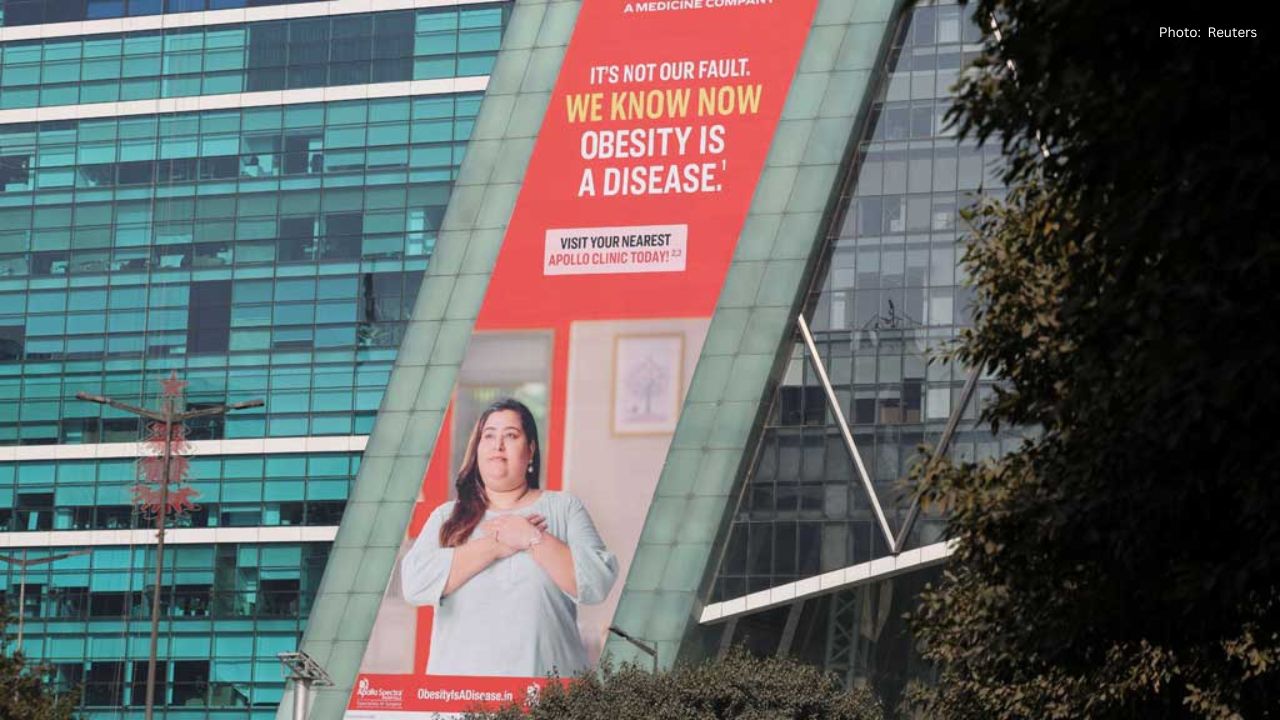
Pharmaceutical giants Eli Lilly and Novo Nordisk are amid a fierce competition to claim a stake in India's rapidly growing obesity medicine market. With millions of prospective patients and the forecast of more affordable generics hitting the market next year, both companies are hustling to solidify their presence in a landscape recognized as one of the most lucrative in global healthcare.
Projected to have the second-largest population affected by overweight and obesity by 2050, India presents a significant opportunity. Though obesity drugs remain costly and are largely out-of-pocket expenses for patients, demand is surging. Analysts predict that the obesity drug market in India could exceed $1 billion within the next two years, making it a focal point for international pharmaceutical entities.
Lilly has a first-mover advantage, having launched its drug Mounjaro ahead of Novo Nordisk's Wegovy. Mounjaro was approved for both diabetes management and weight loss in India and quickly became the highest-earning obesity medication shortly after hitting the market. Medical professionals credit this early entry and its efficacious weight reduction results for Mounjaro's growing acceptance among patients.
Conversely, Novo Nordisk is not backing down and has proactively reduced the prices of Wegovy by up to 37% to enhance accessibility and rival Lilly. It has also released its diabetes medication Ozempic in India at a competitive monthly rate. The head of Novo Nordisk in India has acknowledged that understanding affordability is vital for thriving in a cost-sensitive market.
Competition is set to escalate in March 2026, coinciding with the expiration of patents for semaglutide, the active ingredient in Wegovy and Ozempic. Over twenty Indian manufacturers intend to introduce more affordable generics, potentially priced up to 60% lower. This scenario poses a notable challenge for Novo, while Lilly enjoys the advantage of extended patent protection for Mounjaro into the next decade.
Both companies are also making strategic efforts to broaden their market presence. Lilly has engaged in a partnership with Cipla to introduce a second formulation of its drug aimed at smaller communities and has joined forces with Apollo Hospitals to raise awareness on obesity and diabetes issues. Additionally, heavy investments in manufacturing capabilities within India are underway.
Novo Nordisk is pursuing similar initiatives by collabing with Emcure Pharmaceuticals and rolling out another brand of semaglutide to extend its distribution network. It has also allied with digital health services and hospitals to bolster patient support and increase outreach.
With direct marketing of prescription drugs prohibited in India, both corporations are conducting extensive public awareness efforts to educate citizens regarding obesity as a medical condition. Through various platforms—billboards, newspaper campaigns, and wellness clinics—they aim to encourage individuals to pursue medical guidance rather than dismiss obesity as merely a lifestyle issue.
As the demand for weight-loss solutions transcends urban areas, reaching smaller towns and middle-class lifestyles, the rivalry between Lilly and Novo is intensifying. The results of this battle will profoundly influence the future of obesity treatment in India and the affordability of these transformative medicines in the coming years.