Japan has opted not to clarify why the Bank of Japan chose not to sign a rare joint statement from major central banks endorsing U.S. Federal Reserve Chair Jerome Powell. This decision has garnered attention as global financial authorities monitor the delicate balance between political influence and central bank autonomy.
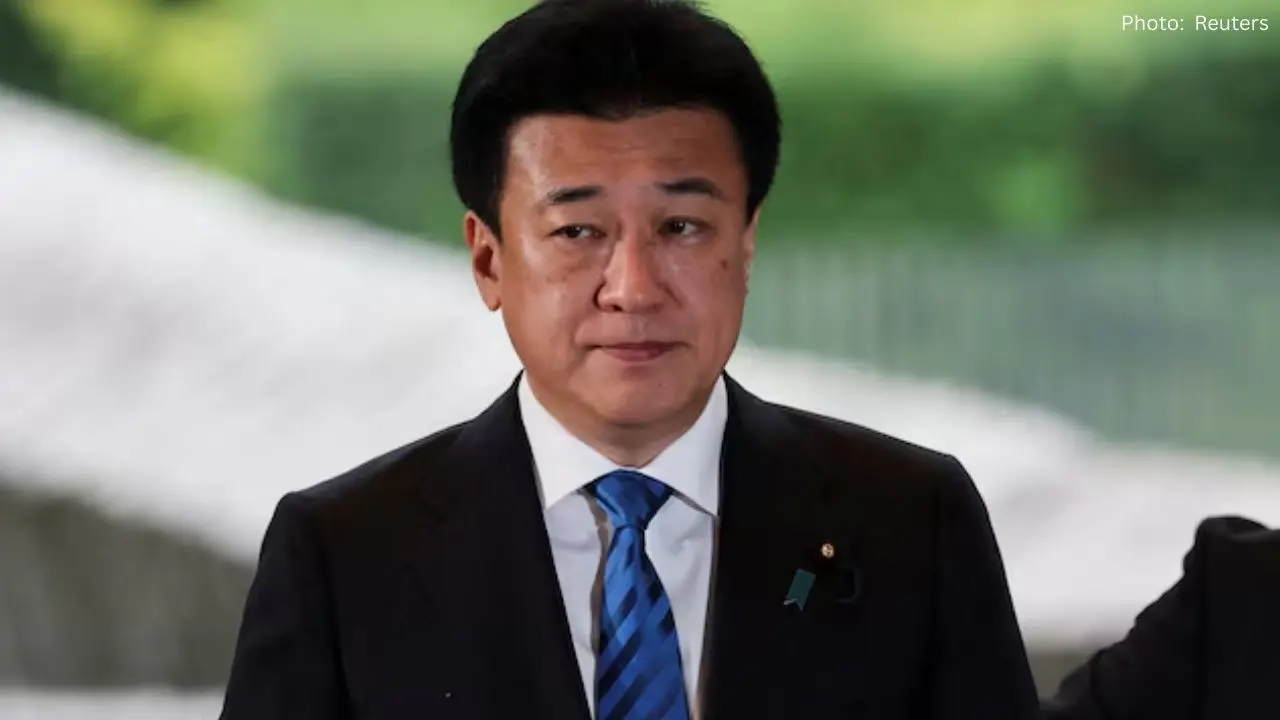
During a recent press conference in Tokyo, Chief Cabinet Secretary Minoru Kihara remarked that it is up to the Bank of Japan to address the matter. He emphasized that the government would refrain from comments since the central bank makes decisions based on its own discretion. His statement followed the public support for Powell from several key central banks, which came in response to threats from the Trump administration regarding potential legal actions against him.
This joint statement was notable for its timing and the array of signatories, including heads from the European Central Bank, the Bank of England, and the Bank of Canada. Additional support came from central bank leaders in Sweden, Denmark, Switzerland, Australia, South Korea, Brazil, and France. Collectively, they underscored the imperative of safeguarding central banks from political pressures.
However, the Bank of Japan was conspicuously absent from this list, raising questions about Japan’s stance at a time of rising global apprehension regarding political encroachment into monetary policy.
When queried about the significance of central bank independence, Kihara delivered a measured response, stating that the Japanese government holds the ultimate responsibility for macroeconomic governance. Nonetheless, he also acknowledged that the law mandates regular cooperation and communication between the Bank of Japan and the government.
Kihara clarified that while monetary policy is integral to the overall economic strategy, specific decisions and methodologies should reside with the Bank of Japan. This aligns with Japan's historical approach, allowing the central bank to manage daily policy independently while maintaining a cooperative framework with the government.
Japan's stance is notable, as the independence of central banks is often regarded as vital for financial stability. Such institutions are expected to base their decisions on economic data, distinct from political pressures. The supportive joint statement for Powell was broadly interpreted as a message from global financial figures, signaling the necessity of preserving this independence.
Japan’s decision to withhold comments does not imply dissent from the joint statement; rather, it may signify a careful strategy, particularly considering Japan's legal stipulations and its distinctive government-central bank dynamics. Nevertheless, the silence has sparked discussions among economists and political analysts alike.
This scenario underscores the increasing tension between political forces and monetary policy worldwide. As nations juggle economic strains, inflation anxieties, and political challenges, central banks’ roles become increasingly delicate. The ways in which countries react to these pressures can significantly influence global markets and public confidence.
For Japan, remaining silent might serve to sidestep political conflict while upholding its established system. Yet, this approach also serves as a reminder that each nation navigates central bank independence based on its unique historical, legal, and national contexts.