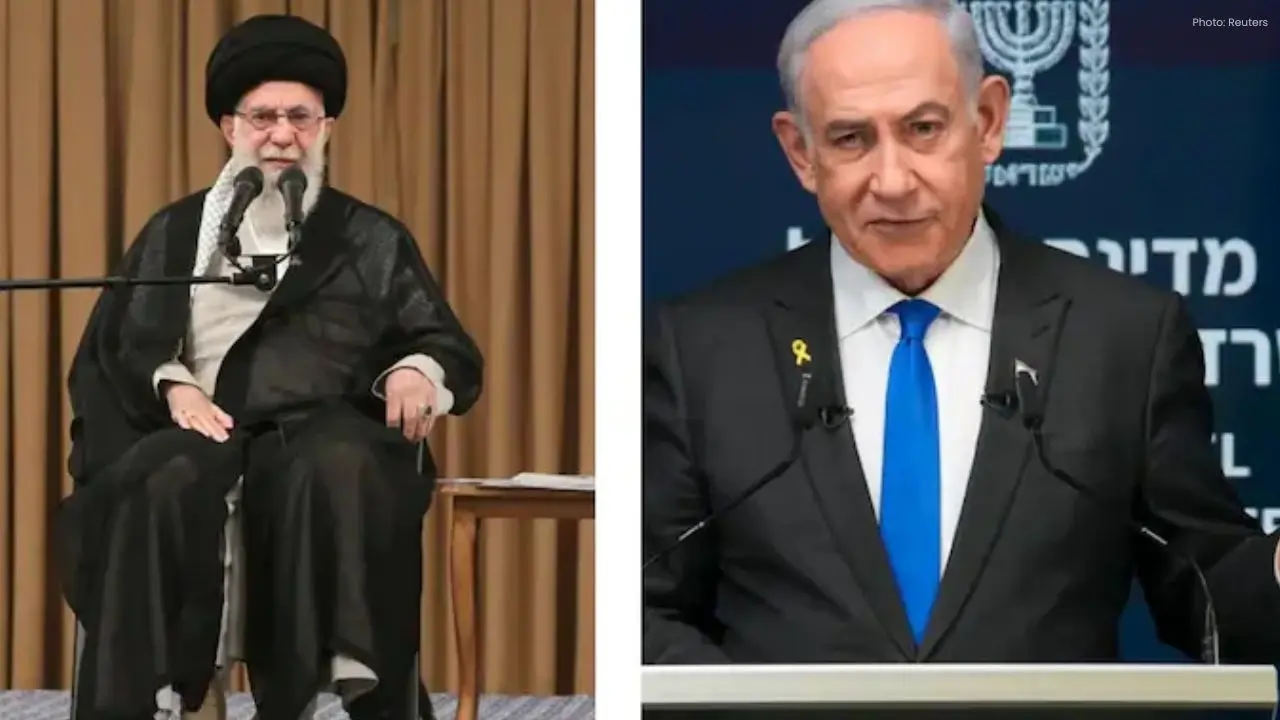
Israeli Prime Minister Benjamin Netanyahu has delivered a pivotal warning to Iran, asserting that Israel would unleash overwhelming force in retaliation for any attack. Speaking in front of the Knesset, Netanyahu emphasized that his government is vigilantly observing the turbulence unfolding within Iran, which is grappling with internal discord, global scrutiny, and increasing isolation.
These statements arise amidst escalating tensions in the Middle East. Iran is struggling to restore order following extensive nationwide protests, while the United States is repositioning significant military assets closer to the region, escalating fears of a broader conflict.
Netanyahu's Unambiguous Stance
In his address to legislators, Netanyahu made it explicitly clear that any acts of aggression from Iran would not be tolerated. He warned that if Tehran were to make a grave error and attack Israel, the repercussions would exceed anything Iran has previously endured. While he refrained from specifying military responses, his rhetoric served as a strong warning against escalation.
Netanyahu suggested that Iran currently faces a precarious period. He remarked that recent changes within the nation signal a departure from its previous status, reflecting Israeli apprehensions regarding Iran’s domestic instability and regional ambition.
Severe Crackdown in Iran
This warning arrives as Iran endeavors to regain control following weeks of significant civil unrest. Protests erupted nationwide over political issues and demands for democratic freedoms. Authorities have reacted with a harsh crackdown, attracting widespread condemnation from human rights watchdogs and foreign governments.
Activists report that over 4,029 people lost their lives amidst the turmoil, with more than 26,000 detained. Casualties include protesters, security personnel, children, and civilians uninvolved in the protests. Activists caution that actual fatalities may be higher due to restricted access to verified information.
Many areas in Iran experienced internet blackouts during the unrest, complicating efforts to independently verify incidents and hampering communication with the outside world.
Growing Human Rights Alarm
Human rights entities are voicing acute concern regarding the violent measures implemented against demonstrators. Reports reveal the usage of live ammunition by security forces, mass detentions, and intimidation tactics to suppress opposition.
Moreover, fears are mounting regarding harsh penalties, including potential executions for those accused of political crimes. These worries have intensified international scrutiny on Tehran, provoking strong rebukes from Western nations.
US Military Positioning Intensifies Pressure
In parallel with rising tensions, the United States is repositioning major naval resources. A nuclear-powered aircraft carrier and several guided missile destroyers have transitioned from the Asia-Pacific to the Middle East, underlining a robust military presence.
This carrier strike group is equipped to engage in air, sea, and missile operations, stressing increased readiness, although it may take several days to achieve full operational capacity in the area.
Middle East on High Alert
Given Israel's explicit warnings, Iran's internal turmoil, and the proximity of US military forces, the Middle East remains on high alert. A miscalculation during this volatile period could swiftly escalate into a wider conflict, making the upcoming days pivotal for regional stability.