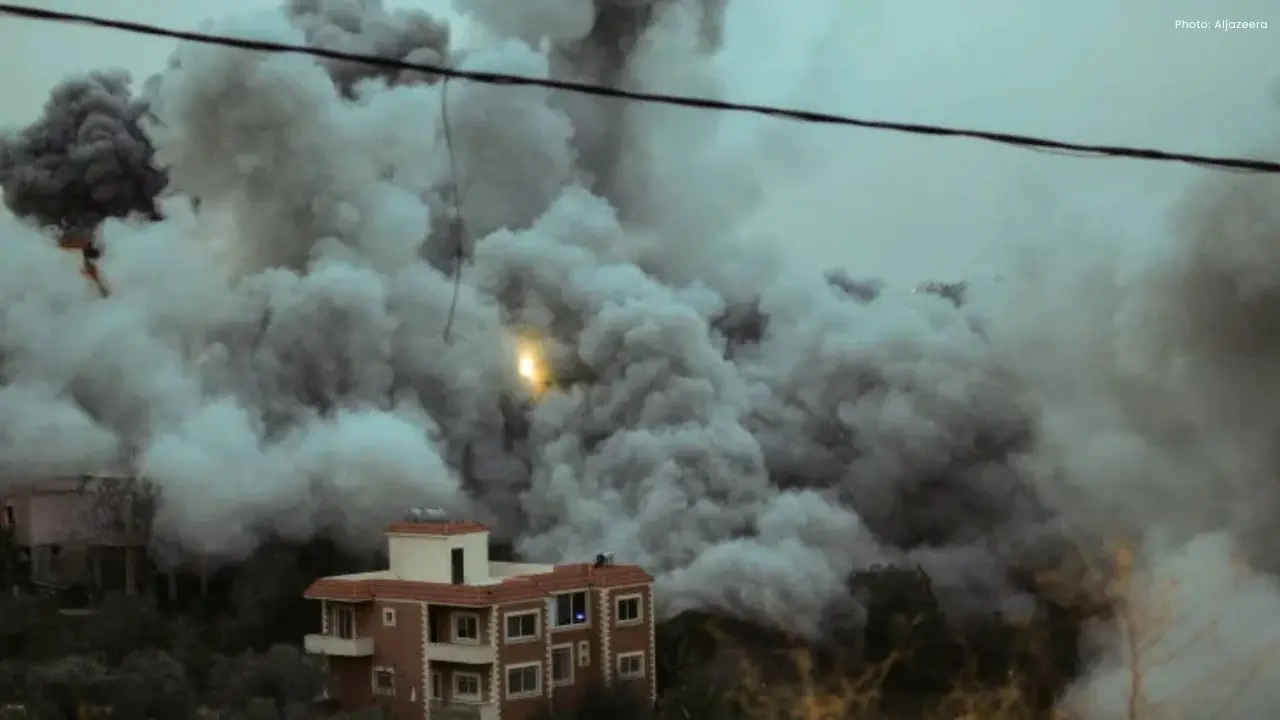
Israel has executed new airstrikes along the Syria–Lebanon border and in southern Lebanon, resulting in the deaths of at least two individuals and numerous injuries. These military actions have sparked significant alarm, as they contradict a ceasefire intended to reduce hostilities in the area.
As reported by Lebanese officials, Israeli aircraft targeted four key border crossings used frequently by civilians and traders. Israel contends that these points facilitate Hezbollah's arms transport into Lebanon, asserting that the strikes aimed to thwart potential threats to its national security.
On the same day, additional strikes targeted regions within southern Lebanon, resulting in fatalities when vehicles were hit in separate occurrences. Nearly 20 others sustained injuries, with some civilians among the harmed. The injured parties have been rushed to medical facilities, with some reportedly in critical condition.
The Lebanese government has voiced strong condemnation of these attacks, asserting that they infringe upon Lebanese sovereignty and endanger innocent lives. The Lebanese health ministry has highlighted that civilians are continually suffering due to ongoing military actions in the southern region, where residents already endure substantial fear.
These actions transpired despite an earlier agreement designed to halt hostilities between Israel and Hezbollah, which aimed to prevent cross-border violence and safeguard civilians on both sides. The continuation of strikes highlights the fragility of the ceasefire.
Israel maintains that Hezbollah has not adhered to the ceasefire's stipulations concerning armaments, while Hezbollah accuses Israel of breaching the agreement with recurrent strikes and reconnaissance activities over Lebanon.
Ongoing hostility has significantly affected the daily lives of communities near the border. Many families in southern Lebanon bear scars from previous conflicts, having lost homes, livelihoods, and loved ones. Each new strike adds to the atmosphere of fear and anxiety, compelling inhabitants to remain vigilant.
The Lebanese army has made efforts to preserve stability, yet the relentless attacks hinder these endeavors. International observers caution that persistent violence risks escalating tensions into a broader conflict.
Demands for restraint and adherence to ceasefire protocols are mounting from leaders both regionally and globally, who emphasize that lasting peace is achievable only through dialogue, not military action. Presently, however, tensions remain high, and civilians are enduring the most significant hardships.