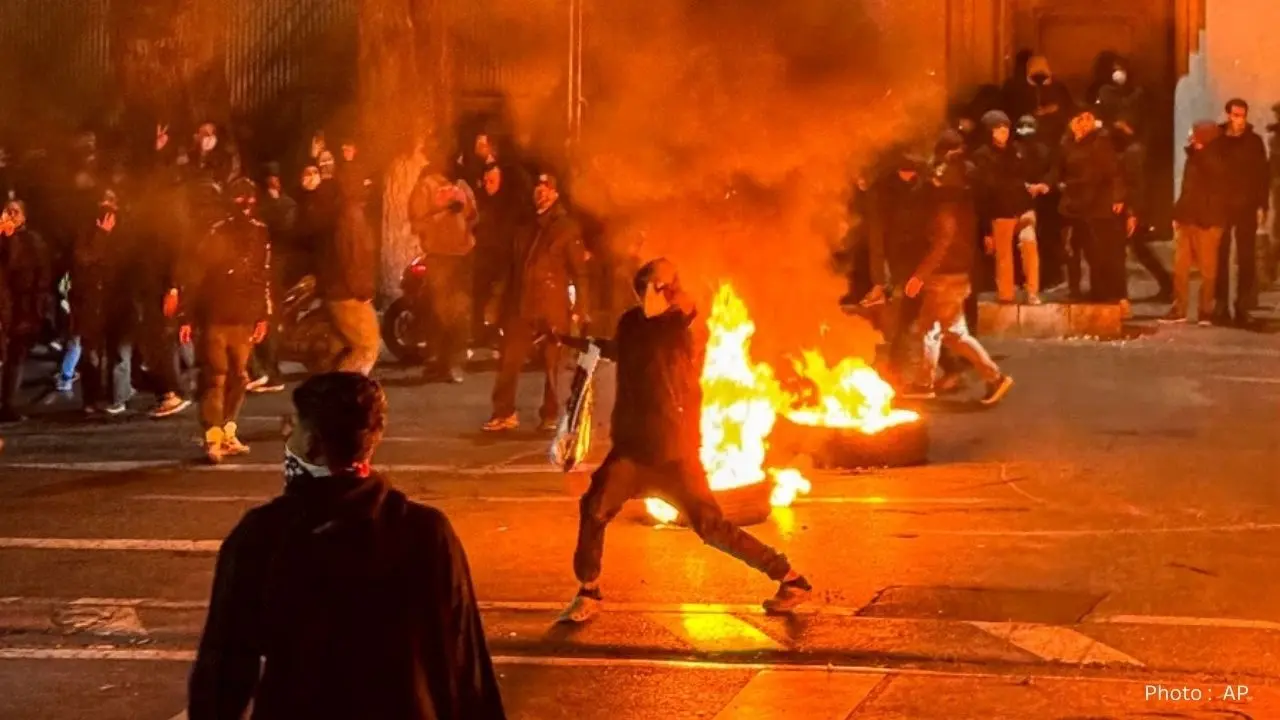
The current situation in Iran marks a severe internal crisis, with nationwide protests escalating as the government prepares to take stringent actions against detainees. Iran's judiciary head has issued a stark warning about rapid trials and possible executions, coinciding with the tragic news that the death toll from the government crackdown has surpassed 2,500.
These demonstrations, ignited two weeks ago by widespread discontent with Iran’s declining economy, initially focused on economic grievances, including soaring prices and joblessness. However, as protests intensified, they transitioned into significant political statements against the regime, challenging the leadership of Supreme Leader Ayatollah Ali Khamenei.
The U.S.-based Human Rights Activists News Agency reports that at least 2,571 individuals have lost their lives in the protests, with a majority being protesters, although some security personnel have also been killed. Activists warn that this crackdown is the most brutal Iran has witnessed in decades, reminiscent of the tumultuous period during the 1979 Islamic Revolution.
In a video statement released by state media, judiciary chief Gholamhossein Mohseni-Ejei highlighted the necessity for speedy punishment, warning that delays could diminish its effectiveness. This rhetoric has sparked fears among families and human rights advocates that executions may soon target those arrested during the protests.
This chilling declaration occurs even as U.S. President Donald Trump has signaled that Washington would respond decisively should Iran engage in widespread executions of protesters, criticizing the regime for its violent responses to peaceful demonstrators. The tensions between Iran and the United States remain palpable, especially following recent military confrontations.
Within Iran, anxiety pervades daily life. While some riot police units have eased their presence, undercover security agents roam the streets, fostering a climate of fear. As schools shut down in various regions, parents hesitate to allow their children outdoors, with residents reporting gunfire echoing through the night, maintaining unease even in daylight.
Witnesses recounted harrowing scenes where security forces employed live ammunition against peaceful crowds. Protesters, they stated, were unarmed, engaged in chants and marches. This brutal crackdown has only intensified public outrage and grief.
Additionally, the government has curtailed communication networks, shutting down internet access earlier this month and isolating the country from external inputs. Some residents manage to regain connectivity via satellite services, yet authorities actively search for illegal devices, complicating efforts to assess the full extent of the violence.
As funerals for both civilians and security members proceed, Iran teeters on a precarious edge. The calls for accountability and reform persist, juxtaposed with the state's indication of increased force and expedited punishment. The days ahead will be pivotal in determining the nation’s trajectory and the international community's response to this unfolding crisis.