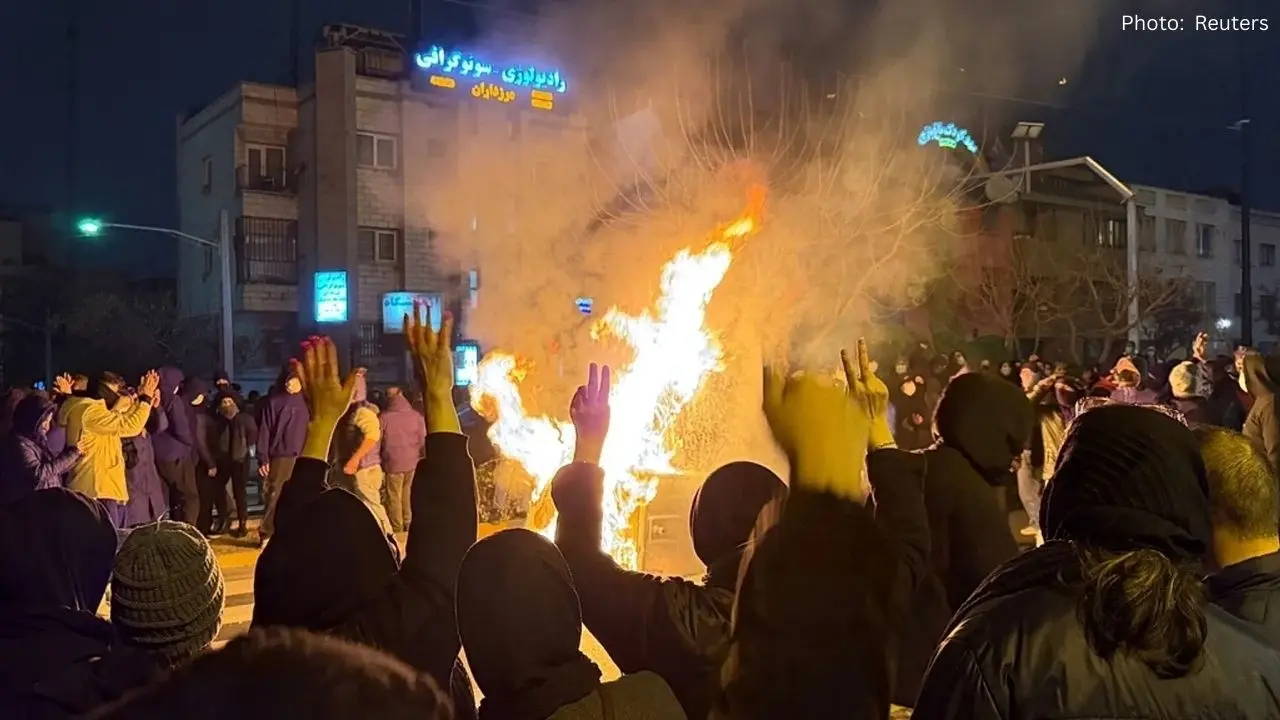
Iran is experiencing a catastrophic crisis, as human rights activists report that the death toll from widespread protests has escalated to a staggering 2,571. This tragic escalation marks the most lethal suppression of dissent in years, leaving both citizens and the world in shock.
The unrest ignited in late December, fueled by public dissatisfaction over Iran's deteriorating economic conditions. Escalating costs, rampant unemployment, and widespread hardship propelled numerous citizens into the streets. As time progressed, protests evolved to encompass broader political disapproval, with chants targeting Iran's ruling elite and Supreme Leader Ayatollah Ali Khamenei.
Activists indicate that the majority of casualties were protesters, including children and innocent bystanders caught in the turmoil. Thousands more have been detained, though accurate information remains difficult to ascertain due to Iranian authorities' clampdown on internet access and communication during the crisis.
For the first instance, state-run television acknowledged the rising death toll, with an official labeling the deceased as “martyrs,” a stark deviation from the earlier denials by officials despite alarming reports of violence.
Footage and images captured from Tehran and other major cities depict charred buildings, vandalized banks, and an overwhelming security presence. Protesters daubed graffiti and rallied for significant political reform, with some messages posing risks of severe repercussions for criticizing the regime.
Within Iran, inhabitants describe an atmosphere of dread and uncertainty. Many citizens were finally able to connect with relatives abroad after several days of silence. Eyewitnesses have recounted encounters with riot police, armed forces, and undercover officers conducting random stops. Although shops are operational, streets generally remain desolate as individuals stay home to sidestep conflict.
The international response has amplified. U.S. President Donald Trump publicly encouraged continued protests, while meetings with Iranian officials were canceled. He later mentioned that his administration awaited reliable intelligence before proceeding with any actions, inciting ire from Iranian officials who denounced foreign meddling.
Human rights organizations caution that the reported death toll may not capture the full extent of the tragedy, estimating that the total may be even higher and could escalate as further details emerge. Activists continue to raise alarms about mass arrests and the fate of detainees.
The ongoing turmoil underscores Iran's stringent control over information. Internet access remains scarce, and many messaging applications are banned. Some activists report utilizing satellite internet to disseminate information, despite authorities’ relentless attempts to confiscate such devices.
The current upheaval conjures memories of previous revolutions, especially the lead-up to the 1979 uprising. Many Iranians, particularly the youth, express feelings of despair yet remain resolute in their quest for transformation.
This escalating crisis emphasizes the profound rifts within Iran and the rising resentment among its populace. As violence persists and lives are lost, the international community watches with the hope for restraint, dialogue, and a resolution that circumvents further bloodshed.