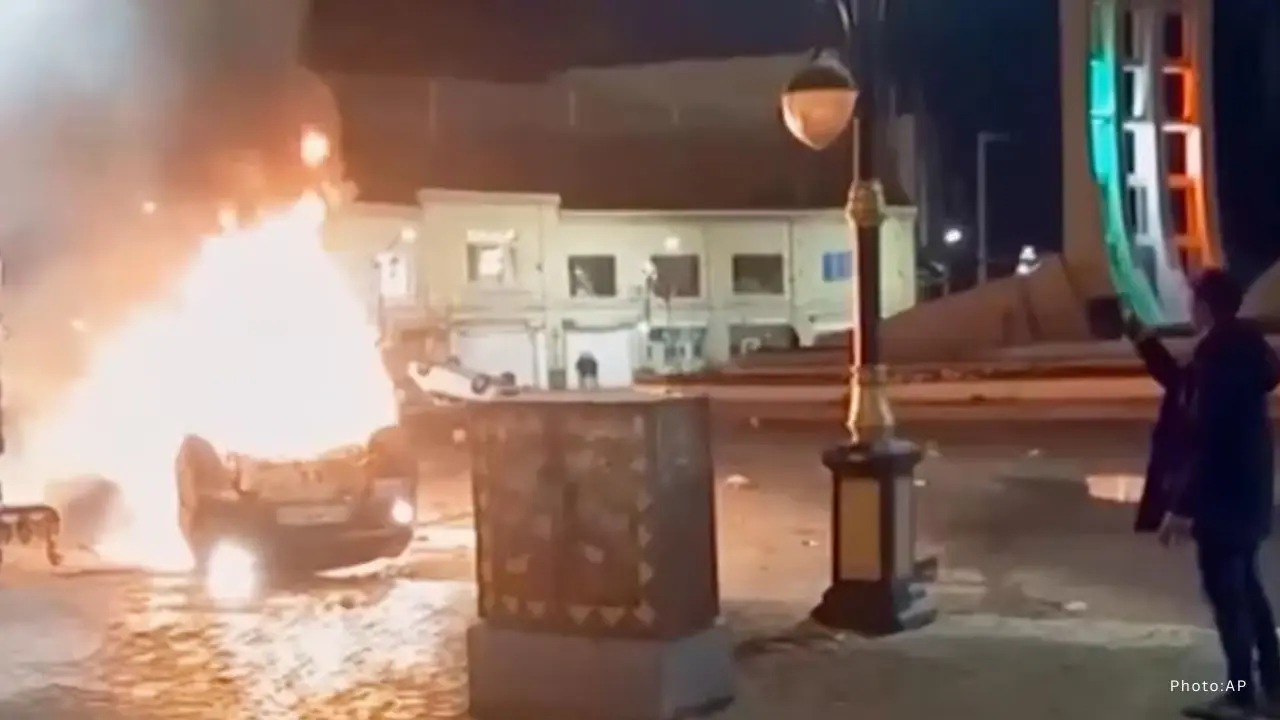
Across Iran, protests have now entered their second week, showing little sign of abating even as the government escalates its crackdown on demonstrators. What initially sparked public outrage due to the crumbling economy has escalated into a significant challenge to the ruling authorities.
The unrest ignited on December 28 when the Iranian rial plunged to historic lows, trading at over 1.4 million to one U.S. dollar. Citizens have been grappling with soaring prices, unemployment, and enduring international sanctions. Initially focused on economic struggles, the protests have evolved into broader denunciations against the leadership and its stringent regulations.
In spite of serious restrictions, reports indicate that demonstrations continue in numerous cities, including Tehran and Isfahan. The Iranian government has disconnected internet access and international phone lines, complicating information verification from within its borders. Nonetheless, human rights organizations outside of Iran report at least 65 fatalities and over 2,300 arrests since the protests commenced.
In stark contrast, Iranian state television presents a different narrative. It emphasizes pro-government rallies and claims that tranquility has been restored in most urban areas. Officials argue that security forces are reacting to acts of violence and vandalism against public assets. State-aligned media have also noted the deaths of several security personnel, including police officers and members of the Basij militia.
Nevertheless, verified footage by international media seems to counter official assertions. Videos from northern Tehran have captured large gatherings chanting anti-government slogans directed at Supreme Leader Ayatollah Ali Khamenei. Protesters can be heard calling out “Death to Khamenei,” a serious and rare affront to the supreme authority.
Ayatollah Khamenei has warned of impending harsher measures, accusing demonstrators of compromising their own cities and acting in the interests of foreign entities. His remarks imply that security forces might receive extended powers to quell the protests in the upcoming days.
The United States has publicly expressed support for the demonstrators. U.S. Secretary of State Marco Rubio stated America stands with the Iranian populace. The State Department has also issued a stern warning to Iran’s leaders, indicating that Washington is closely monitoring developments.
Media reporting in Iran has become heavily restricted. Only a handful of state or semi-official outlets can disseminate news internationally, and most foreign journalists face significant limitations in their operations within the country. This information blackout raises concerns about what may be occurring out of the public eye.
Furthermore, Iran’s exiled former crown prince, Reza Pahlavi, has encouraged citizens to persist with their protests. He urged demonstrators to adopt the historical lion-and-sun flag, a symbol from the era prior to the 1979 Islamic Revolution. While some protests displayed support for the former monarchy, it remains ambiguous if this reflects an endorsement of Pahlavi himself or merely a desire for a shift from the current regime.
As protests endure, Iran is caught in escalating pressures both domestically and internationally. The mix of economic hardship, political dissatisfaction, and a stringent security response has birthed a profound crisis. With the government tightening its grip and objections from the populace continuing, the coming days could be pivotal for Iran’s future stability.