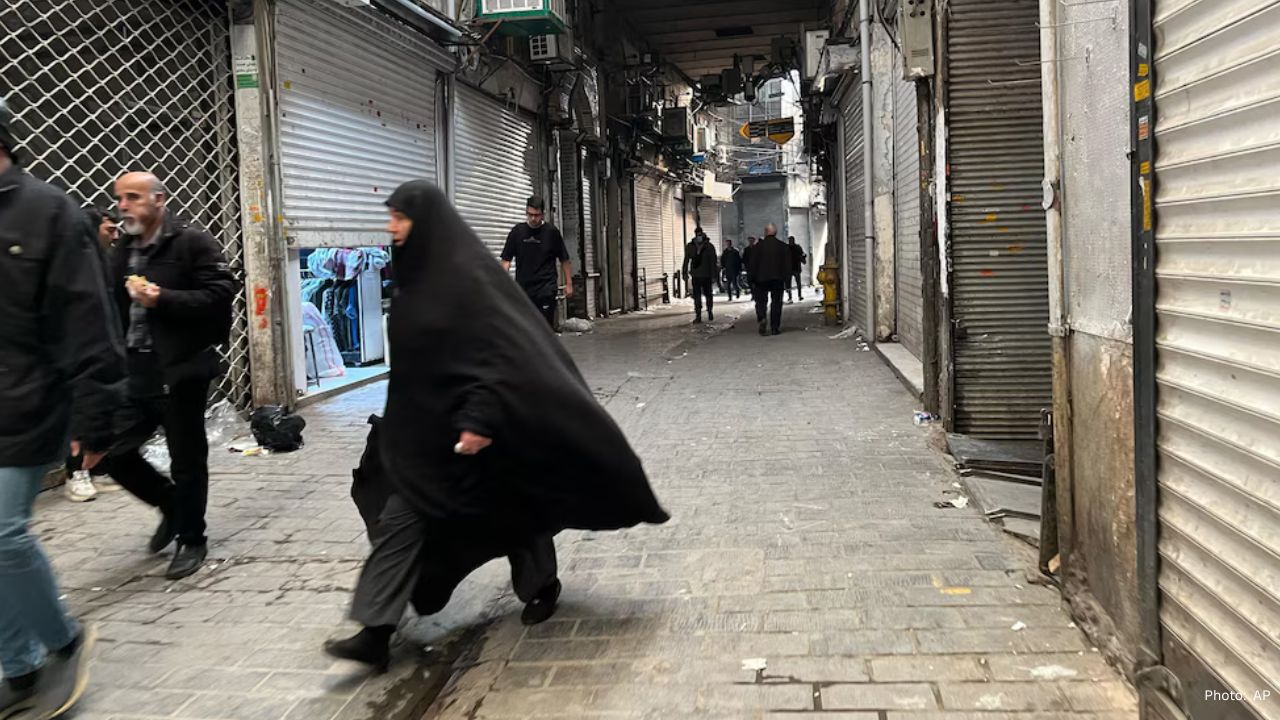
The atmosphere in Iran is tense and filled with uncertainty. Protests are erupting nationwide, fueled by economic distress, public dissatisfaction, and long-standing political grievances. Simultaneously, many Iranian citizens are keeping a close eye on the recent U.S. military intervention in Venezuela. Although it occurred thousands of miles away, its implications have resonated deeply within Iran.
The U.S. conducted a military operation in Venezuela that resulted in the capture of President Nicolás Maduro, a critical ally to Iran. Iranian authorities have denounced this move, labeling it illegal and perilous. State-run media swiftly condemned the United States, asserting that such actions endanger global peace and violate international norms.
Beyond official rhetoric, everyday Iranians are contemplating the ramifications of the U.S. operation. In local markets, homes, and workplaces, there is a prevailing unease: if the U.S. can target a foreign leader like Maduro, could Iran be next? This anxiety has grown, exacerbated by Iran's existing vulnerabilities under external pressure.
These worries arise during a period of significant domestic upheaval in Iran. Protests have ignited in several cities due to soaring costs of living, escalating unemployment, and a plummeting currency. Many households are feeling the strain, and frustrations have erupted into public demonstrations. Authorities have responded vehemently, resulting in clashes and arrests that have only heightened public discontent.
The specter of foreign intervention adds yet another dimension to this unrest. Many Iranians vividly recall recent regional conflicts involving military strikes against Iranian officials and nuclear sites. Such memories amplify a sense of vulnerability, prompting some to speculate whether Iran’s leaders are enhancing security measures in light of these perceived threats.
The situation is precarious for Iran’s government. Leaders assert that the unrest is incited by foreign adversaries, all while trying to present a robust front against external pressures. However, the prevailing sentiment among the populace screams of anxiety rather than assurance. Even the regime's supporters harbor concerns for the nation’s security and stability.
Analysts argue that while the contexts of Iran and Venezuela significantly differ, the psychological impact of U.S. actions is unmistakable. It serves as a stark reminder of how global geopolitical dynamics can directly sway the daily lives of Iranians. The fear, whether founded or not, shapes public sentiment and influences protests and responses to authority.
As protests persist and geopolitical tensions remain elevated, Iran finds itself at a critical juncture. The nation is grappling with domestic unrest and foreign apprehensions concurrently. The unfolding scenario will hinge on the leaders' responsiveness to civic demands and the decisions made by global powers in this already volatile landscape.