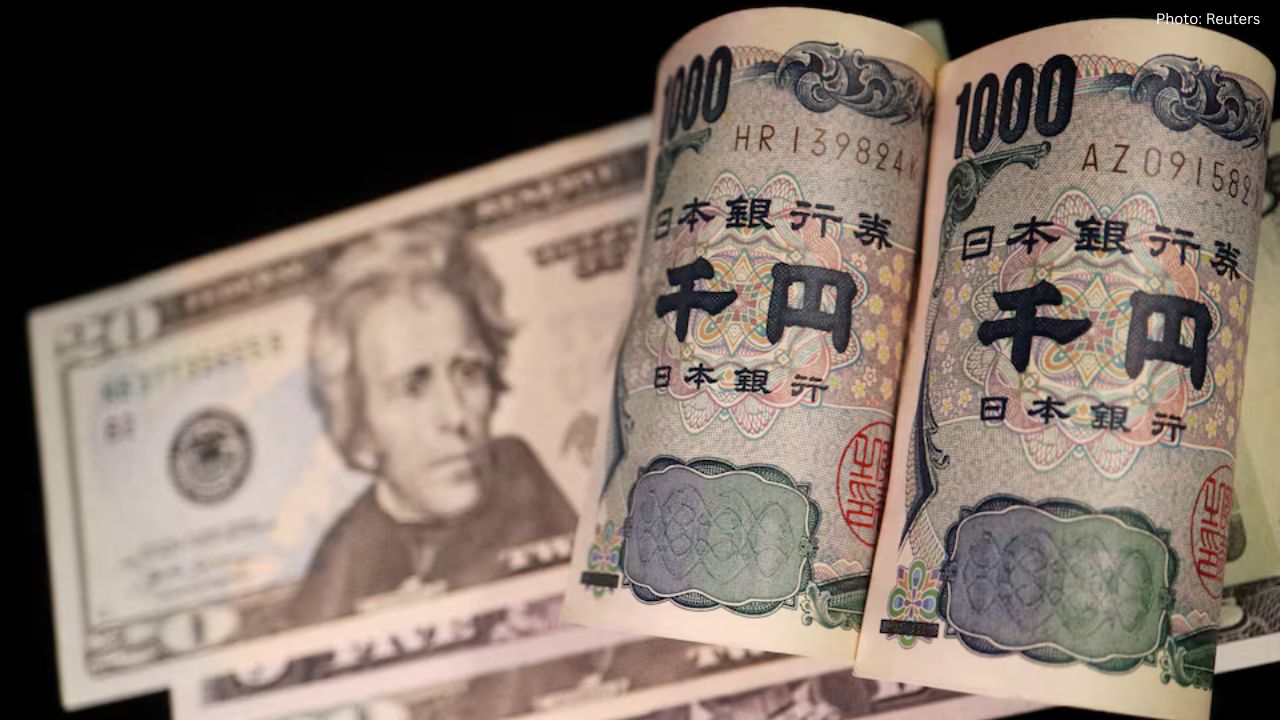
Leading business representatives in Japan have urged the government for decisive measures to combat the weak yen, cautioning that the depreciation of the currency is escalating import expenses and placing additional burdens on families and businesses nationwide.
These appeals originated from the leaders of two prominent business associations, who conveyed their concerns to Japanese media in distinct interviews at the year's onset. Their remarks highlight a rising unease that, while a weaker yen may benefit exporters, it is inflicting broader economic challenges.
Yoshinobu Tsutsui, head of Keidanren, the nation’s largest business federation, indicated that the weak yen is often celebrated for enhancing exporters' profits. However, he pointed out that this viewpoint neglects the larger picture. From a long-term national standpoint, Tsutsui argued that Japan would indeed benefit from fostering a stronger and more stable yen.
The yen struggled through 2025, being one of the few primary currencies that did not capitalize on the weakening of the U.S. dollar. This situation persisted even though the Bank of Japan raised interest rates twice throughout the year. Numerous analysts suggest that uncertainty surrounding the speed of further rate increases has curtailed the yen’s potential recovery.
The depreciated currency has also amplified inflation by driving up costs for imported goods. This inflationary pressure significantly influenced the central bank's persuasion of the government last month for an additional rate hike. Nonetheless, uncertainties linger about the extent and pace of interest rate increases set for 2026.
By the close of 2025, the yen was quoted at approximately 157 per U.S. dollar, nearing levels that previously alerted Japanese officials. Japan last intervened in currency markets in July 2024, purchasing yen after it plummeted to its lowest point in almost 40 years.
In a separate interview, Ken Kobayashi, chairman of the Japan Chamber of Commerce and Industry, underscored the difficulties faced by small and medium enterprises. He pointed out that the weak yen has led to a substantial rise in imported raw material costs, thereby straining profit margins for smaller businesses.
Kobayashi stressed the necessity for the government and central bank to reestablish trust among business owners who feel increasingly vulnerable to surging costs. He warned that without prompt action, the weak yen could adversely affect daily life and hinder economic growth.
These collective statements indicate mounting pressure on Japanese policymakers to achieve a more favorable balance. While exporters may enjoy short-term gains, business executives contend that a stable and robust yen is essential for safeguarding households, aiding small enterprises, and fortifying Japan’s economy in the long run.