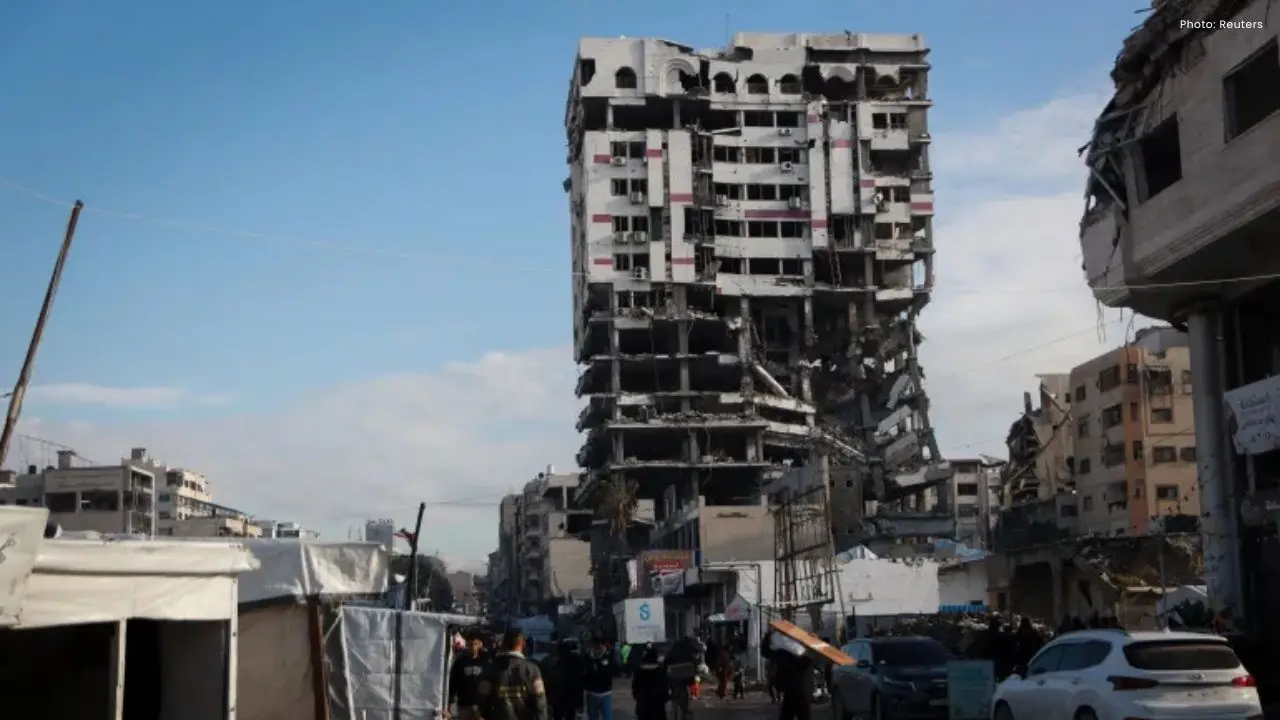
With the ceasefire in Gaza entering its second phase, numerous Palestinians continue to face significant challenges in their daily lives. While the term “ceasefire” sparks a glimmer of hope, those in Gaza assert that the reality on the ground often fails to match the expectations.
The focus of this new phase is on administering daily affairs and initiating a lengthy reconstruction process. An appointed body of experts intends to oversee the restoration of services and infrastructure. For many families, this initiative seems promising. However, skepticism lingers, given that previous accords did not deliver enduring changes.
One pressing issue for Gaza's inhabitants is their access to the outside world. The strict control over border crossings hampers the supply of essential goods, such as food, medical supplies, fuel, and construction materials. Numerous individuals still struggle to exit Gaza for medical treatment, and humanitarian aid often arrives sluggishly or in insufficient quantities.
Extensive areas of Gaza remain in devastation. Homes, educational institutions, hospitals, and roadways damaged during conflict await reconstruction. Countless families still occupy temporary shelters or reside in dilapidated buildings. For them, the prospect of rebuilding feels unachievable, especially as they grapple with basic necessities like access to clean water and reliable electricity.
Concerns about safety also weigh heavily on Gaza's populace. Although significant hostilities have ceased, anxiety persists. Parents question their children's safety, fearing a return to violence at any moment. This anxiety complicates families' ability to plan for the future.
Moreover, uncertainty surrounding political commitments remains prevalent. Many Palestinians recount strong rhetoric in the past, yet real improvements have often been limited. Absent clear actions—such as unrestricted aid, freedom of movement, and long-term assurances—hope remains tentative.
Nonetheless, a yearning for peace thrives among Gaza's residents. They aspire to reconstruct their homes, educate their children, and lead normal lives free from fear. The second phase of the ceasefire serves as a crucial test. If it delivers tangible relief, trust may gradually rebuild; if not, disillusionment will intensify.
For now, the people of Gaza await with bated breath, closely monitoring whether this phase will usher in genuine change or merely represent another missed opportunity in a prolonged history of dashed hopes.