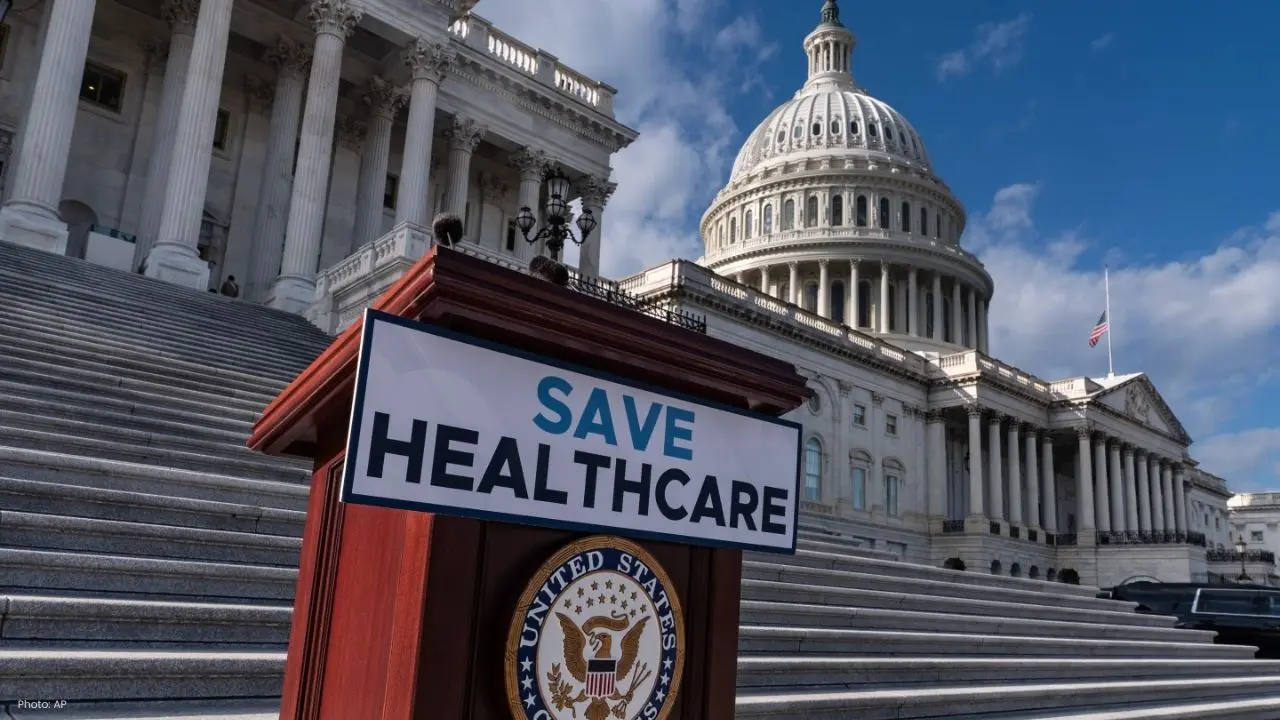
The expiration of enhanced tax credits, which had significantly reduced health insurance expenses for many Affordable Care Act (ACA) participants, has occurred abruptly. As a result, millions of Americans are facing sharply increased premiums as they enter the new year.
During a prolonged 43-day government shutdown, Democrats sought to renew these subsidies, while moderate Republicans aimed for a compromise to safeguard their electoral futures in 2026. Former President Donald Trump made a fleeting offer to address the issue but withdrew due to conservative pushback. Ultimately, no consensus was reached by the deadline.
A potential House vote in January may offer another avenue to reinstate the subsidies, though its outcome remains uncertain.
Who Is Affected?
The lapsed subsidies affect a wide array of Americans purchasing their own health insurance, notably excluding those on employer plans, Medicaid, or Medicare. This includes self-employed individuals, owners of small businesses, farmers, and ranchers.
Premium Surges and Health Costs Rising
Initially introduced as temporary relief during the COVID-19 pandemic in 2021, these enhanced subsidies allowed many Americans to secure health insurance affordably. Some low-income enrollees paid no premiums, while others only paid a maximum of 8.5% of their income. Additionally, eligibility was broadened for middle-income individuals.
Without these subsidies, the Kaiser Family Foundation (KFF) warns that premiums for over 20 million ACA participants could rise by an average of 114% in 2026, coinciding with overall increases in healthcare expenses across the U.S.
For instance, freelance filmmaker Stan Clawson from Salt Lake City anticipates his monthly premium jumping from under $350 to nearly $500. Social worker and single mother Katelin Provost faces an even larger increase—from $85 to almost $750 monthly.
Impact on Enrollment
Experts are concerned that such high premiums may compel many individuals, particularly younger and healthier patients, to forgo insurance. This would likely raise costs for older and sicker enrollees who decide to stay.
A study by the Urban Institute and Commonwealth Fund suggests nearly 4.8 million Americans might lose their coverage in 2026 due to subsidy expiration. Nevertheless, enrollment periods remain open in most states until January 15, rendering the final implications unclear.
Political Impasse and Calls for Change
Although Democrats have repeatedly urged for subsidy extensions, Republicans have postponed voting on the subject. The Senate dismissed both a Democratic proposal for a three-year subsidy extension and a Republican alternative focusing on health savings accounts.
In the House, certain centrist Republicans have allied with Democrats in advocating for a vote on a three-year subsidy extension, but Senate resistance hampers the plan's viability.
Discontent grows among affected citizens regarding lawmakers' inertia amidst rising costs. Many are calling for subsidy restoration alongside comprehensive healthcare reforms aimed at improving affordability.
Chad Bruns, an ACA enrollee from Wisconsin, expressed the mounting frustration: “Both Republicans and Democrats have been saying for years, ‘We need to fix it.’ Then do it. They need to get to the root cause, and no political party ever does that.”