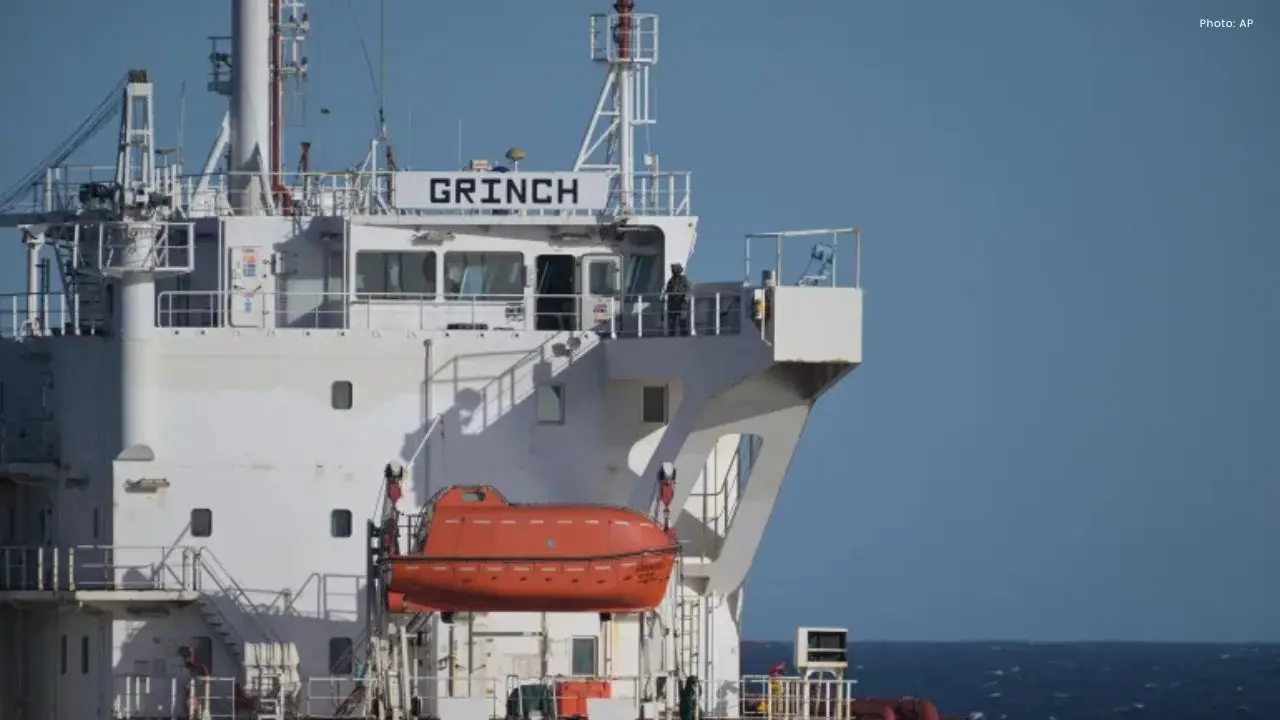
French naval forces have successfully redirected an oil tanker connected to Russia to a southern French port amid suspicions of sanction breaches. This vessel is suspected to be part of Russia's so-called “shadow fleet,” which is known for transporting oil while circumventing restrictions set by Western nations.
The intervention occurred in the Mediterranean Sea, where French forces intercepted the tanker, directing it to change its course. It was eventually escorted to the Marseille-Fos port for thorough inspection and investigation by the relevant French authorities.
Officials noted that the ship was operating under a foreign flag, yet there were significant doubts regarding its registration and ownership clarity. Such ambiguity is typical among shadow fleet vessels, which often employ intricate ownership configurations and flags of convenience to mask their ties to Russia.
The shadow fleet has raised alarms among European countries since the onset of the Ukraine war. Following the conflict's initiation, the European Union and allied nations enacted stringent sanctions against Russian oil exports, aimed at curtailing Russia's revenue and its ability to finance the war. Nonetheless, Russia continues its oil sales using older vessels that evade standard international regulations.
French officials stated that this tanker diversion aligns with broader efforts to uphold maritime law and ensure compliance with sanctioned regulations. Investigators are now set to scrutinize the vessel's documentation, cargo information, and navigation history. Should any violations be established, legal repercussions may ensue.
This event underscores an increasing collaboration among European nations to enhance maritime monitoring. Naval patrols have intensified, particularly in heavily traveled shipping lanes, to identify ships attempting to sidestep established regulations.
The action conveys a strong signal that European countries are intensifying enforcement efforts, not only on land but also at sea. With the conflict in Ukraine remaining unresolved, such measures illustrate the seriousness with which governments regard sanctions and international law.