1. Incident Overview: Late-Night Blazes Turn Hostile in Downtown Winnipeg
Shortly after 1:00 a.m. on July 11, 2025, Winnipeg Fire Paramedic Service (WFPS) units responded to an emergency call—a pickup truck engulfed in flames—on Princess Street, just north of downtown Winnipeg. As crews approached the scene, what began as a routine fire suppression call escalated into a confrontation that left a firefighter with minor injuries and a fire truck damaged. Shock rippled through the city as a 25-year-old man, later identified as Lorne Albert Hofer, allegedly wielded a metal pole and struck both the vehicle and a firefighter during the blaze response.
The unfolding situation triggered immediate police intervention. Winnipeg Police Service (WPS) officers, responding to the assault, took Hofer into custody on the scene without incident. Officers later determined that Hofer was suspected of starting the fire himself, turning a seemingly isolated incident into a complex case involving arson, assault with a weapon, and public endangerment.
2. What Happened at the Scene: Flames, Fists, and a Firefighter’s Resilience
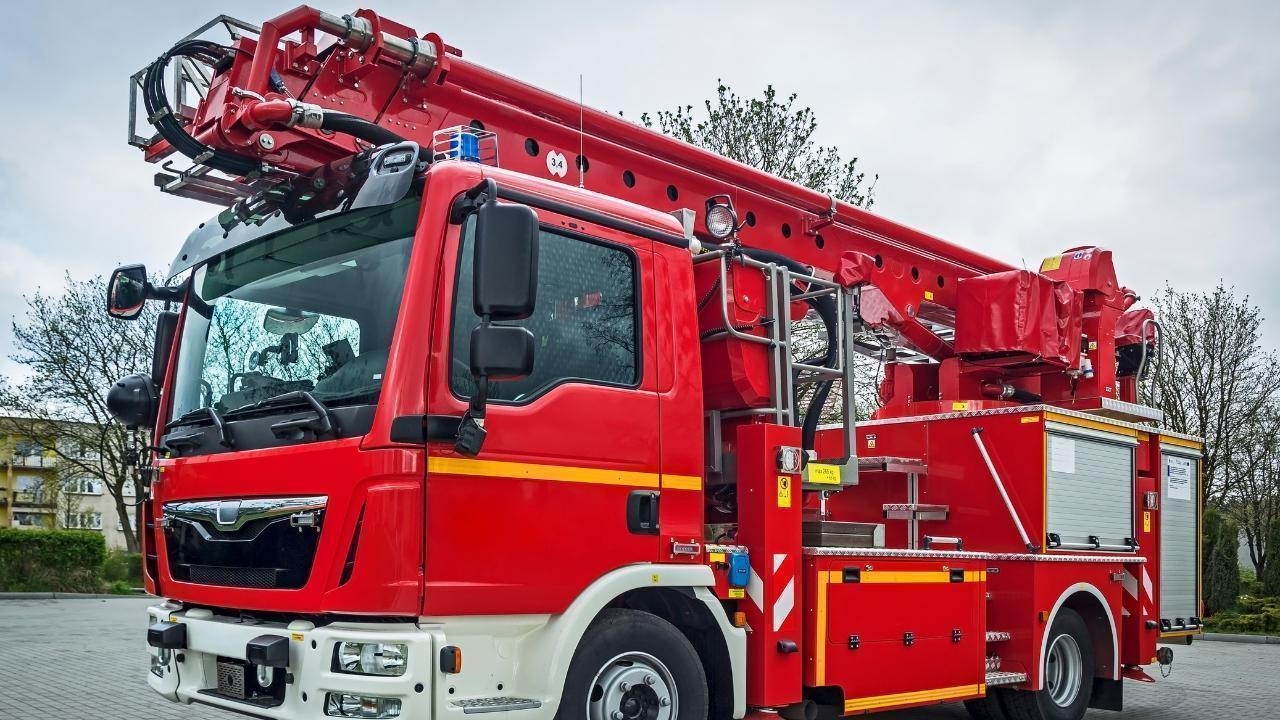
Fire crews arrived to find a pickup truck fully ablaze, smoke pluming skyward. As they positioned the apparatus on Princess Street, a man—Hofer—appeared from the adjacent intersection near Logan Avenue, pole in hand. Witnesses describe him aggressively striking the front of the fire truck as it passed before firefighters had a chance to deploy their hose lines .
When one firefighter disembarked to secure hoses and approach the burning vehicle, Hofer advanced and struck the firefighter in the face with the pole. The blow caused only minor injuries—bruising and swelling—but the impact stunned the first responder and disrupted the initial firefighting response .
After extinguishing the blaze, emergency crews and investigators secured the area. The firefighter was assessed at the scene and permitted to work subsequent shifts with minor injury reporting.
3. Charges Laid: From Arson to Assault with a Weapon
Winnipeg police publicly confirmed that Lorne Albert Hofer, 25, was slated to face multiple criminal charges, including:
-
Assault with a weapon (metal pole)
-
Possession of a weapon
-
Mischief under $5,000 (damage to fire truck)
-
Arson causing property damage (pickup truck)
-
Possession of incendiary material
-
Contravention of bail conditions (failure to comply)
Additionally, police allege Hofer was the ignition source for the vehicle fire. Authorities are reviewing video and witness statements to corroborate motive, timeline, and intent.
4. Voices of Support: Union Leaders and First Responder Safety
In the aftermath of the incident, United Fire Fighters of Winnipeg (UFFW) President Nick Kasper offered public condemnation. He highlighted the alarming trend of aggressive attacks targeting first responders. Kasper stated that assaults during emergency operations are “becoming more common”, and emphasized that such violence not only endangers responders but also endangers communities by delaying critical life-saving interventions.
He urged provincial legislators to introduce stronger legal protections and enhanced penalties for anyone assaulting emergency personnel in the course of duty.
5. The Human Face of the Crisis: Firefighter Safety in Question
So often we see first responders rushing toward the flames while everyone else flees. This incident serves as a stark reminder that those men and women place themselves in harm's way—not just because of fire and smoke, but sometimes, fear of violent confrontation.
As one veteran firefighter noted anonymously:
“A fire doesn’t hurt you out of malice—but a person with intent sure can.”
Their jobs already carry intrinsic hazards; criminal aggression adds yet another layer of unpredictability. Advocacy groups for emergency responders are calling for updated training protocols to deal with hostile crowds, scene security coordination with police, and de-escalation drills tailored to chaotic environments.
6. Scene Damage and Operational Delays
Damage to the fire truck was confirmed during police and department assessments. Though the damage was estimated below $5,000, it still delayed the deployment of heavy equipment and hose crews.
Depending on the circumstances, compromised vehicles may temporarily halt services in a brigade, causing strain across other shifts and stations. This scenario triggered internal reviews at WFPS to better safeguard vehicles and personnel during dynamic responses.
7. Winnipeg Police: Procedure, Arrest, and Investigative Timeline
WPS officers were dispatched immediately following the assault alert. They secured the scene and coordinated with fire services to ensure the area was clear for evidence gathering.
Following the arrest of Hofer, police conducted:
-
Scene documentation (including photography)
-
Interviews with firefighters and witnesses
-
Inspection of the vehicle and pole
-
Video review from CCTV and bystander phones
-
Collection of fire debris for forensic analysis
Investigators are pursuing confirmation that Hofer both started the fire and attacked responders, linking motive, means, and action through witness testimony and forensic findings.
8. Broader Context: Rising Threats Against First Responders
Across Canada and beyond, emergency workers increasingly face hostility. Whether due to mental health crises, substance use, or malicious intent, emergency scenes may mutate into confrontations.
A report from FirefighterCloseCalls.com detailed recent incidents where scenes were disrupted by dangerous individuals—sometimes delaying access to victims and increasing risks for both responders and public.
While the Winnipeg incident ended with minor physical harm, it highlights a dangerous trend: growing numbers of responders report that conflict resolution training and security protocols are inadequate for evolving on-the-job threats.
9. The Victim: Firefighter Injured in Line of Duty
While his identity remains protected, the injured firefighter received prompt medical attention. The injuries were described as superficial—bruising and swelling—but the trauma accompanying physical assault remained.
WFPS officials confirmed the firefighter has returned to duty. Union leadership continues to advocate for counselling support and post-incident debriefs to ensure both mental and physical well-being are addressed.
10. Legal Path Ahead: Charges, Court, and Public Watch
Hofer is expected to appear before a Winnipeg court in the coming days. His counsel will evaluate charges and may pursue bail within tight conditions—likely excluding access to public gatherings or possession of weapons.
Prosecutors may file for enhanced charges, such as using a weapon in commission of a crime or causing bodily harm. Sentencing could include fines, probation, and/or prison time depending on courtroom outcomes.
11. Winnipeg’s Call for Legislative Change
Union leaders and public safety advocates are lobbying Manitoba’s provincial government to amend relevant legislation. Proposed enhancements include:
-
Statutory recognition of "first responder zones"
-
Mandatory minimum sentences for assaulting EMS personnel
-
Recognition of scene interference as separate offences
Their goal: ensure those who attack emergency workers—officially engaged in public service—face consequences reflecting the severity of obstructing critical care.
12. Community Reaction: Angst, Support, and Resilience
Winnipeggers responded swiftly with an outpouring of support. Social media posts used hashtags like #ProtectOurFirstResponders and #WinnipegStandsWithFirefighters, while local businesses offered fire station coffee and meal donations.
Some voiced concern over rising violence during emergencies, calling for community dialogue and better public education on response etiquette.
13. What Other Cities Are Doing: Prevention and Protection Models
Multiple jurisdictions are adapting to rising aggression risks. In Toronto, first responders now coordinate with police units riding along during large-scale calls. Edmonton installed driver-side grills to reduce damage from projectile attacks on emergency vehicles.
'Safe zone' legislation in Alberta prohibits approaching emergency scenes within 20 meters without permission—a model Winnipeg officials are observing closely.
14. Training and Technology: How Winnipeg Might Respond
In the wake of the incident, WFPS is reviewing personnel training models:
-
Incorporating de-escalation tactics into regular drills
-
Embedding police liaisons on boarding to fire crews
-
Reviewing incident command protocols for crowd control
-
Considering body cameras during high-risk calls
-
Enhancing station vehicle protections while parked or operating
These measures aim to shield crews from unpredictable behaviors and allow them to focus on rescue and fire suppression.
15. The Larger Threat: Firefighters on the Front Lines of Public Safety
In every emergency, these professionals run toward danger—fire, smoke, accidents, medical trauma. Yet what they often don’t anticipate is intentional violence.
The Winnipeg case signals the need for cities to recognize first responders as protected service professionals, deserving both community respect and legal barriers against violence.
16. Insurance Implications and Equipment Replacement
Damage under $5,000 may be insured by the city or provincial response fund. Repetitive repair claims may result in policy reassessment.
Upgrades may include stronger vehicle panels, reinforced windshields, or protective cages—especially for units working in high-risk urban environments.
17. Public Education: Preventing Incidents Before They Start
Experts agree community education is crucial. Public service announcements, community presentations, and school safety assemblies can demystify emergency response, encouraging respect and caution when encountering crews on-duty.
18. Mental Health Effects on Firefighters
Assaults, even minor, can have lasting psychological impacts. PTSD, anxiety, sleep disturbance—responders face mental strain silently. Peer support networks, counselling, and post-incident debrief strategies are being activated to support recovery.
19. Comparison: Winnipeg vs. National Emergency Responders’ Attacks
A 2024 Canadian survey found nearly 30% of EMS personnel reported being assaulted while on duty. Physical and verbal abuse is most common at night, during large-scale emergencies, or traffic incidents.
Winnipeg city officials are examining this incident to prevent similar future occurrences—a local wake-up call.
20. Scene Security: Interagency Coordination Needed
Police are reviewing whether initial callouts included threat assessments. Dispatch protocols may include scene safety alerts and clear perimeter control procedures until fire crews arrive.
At training levels, firefighters may receive instruction in situational awareness—identifying bystander threats and communicating in real-time to incoming units.
21. The Legal Outcome: What to Expect in Court
Charges range from misdemeanor assault to felony arson, depending on evidence. Legal penalties can include:
-
Assault with a weapon → 5–10 years imprisonment
-
Arson → up to 14 years, depending on property insured
-
Bail violations, possession charges add administrative time
Impact statements from fire services may influence sentencing if conviction occurs.
22. Prevention Lessons for Other Cities
Municipal safety planners nationwide are likely to refer to this case when drafting policies. Strategies may include:
-
Enhanced scene protection zones in city ordinances
-
Inter-agency communication platforms between police and fire dispatch
-
Public signage reminding citizens to “Give Responders Room to Work”
23. Final Reflection: Protecting Those Who Protect Us
This incident, while rare, underscores the vulnerability of frontline workers. It highlights not only bravery but also the pressing need for legal protection, officer safety protocols, and greater understanding from the public.
Winnipeg citizens and officials now face the task of reaffirming that in emergencies, responders should be assisted—not attacked, and protected—not endangered.