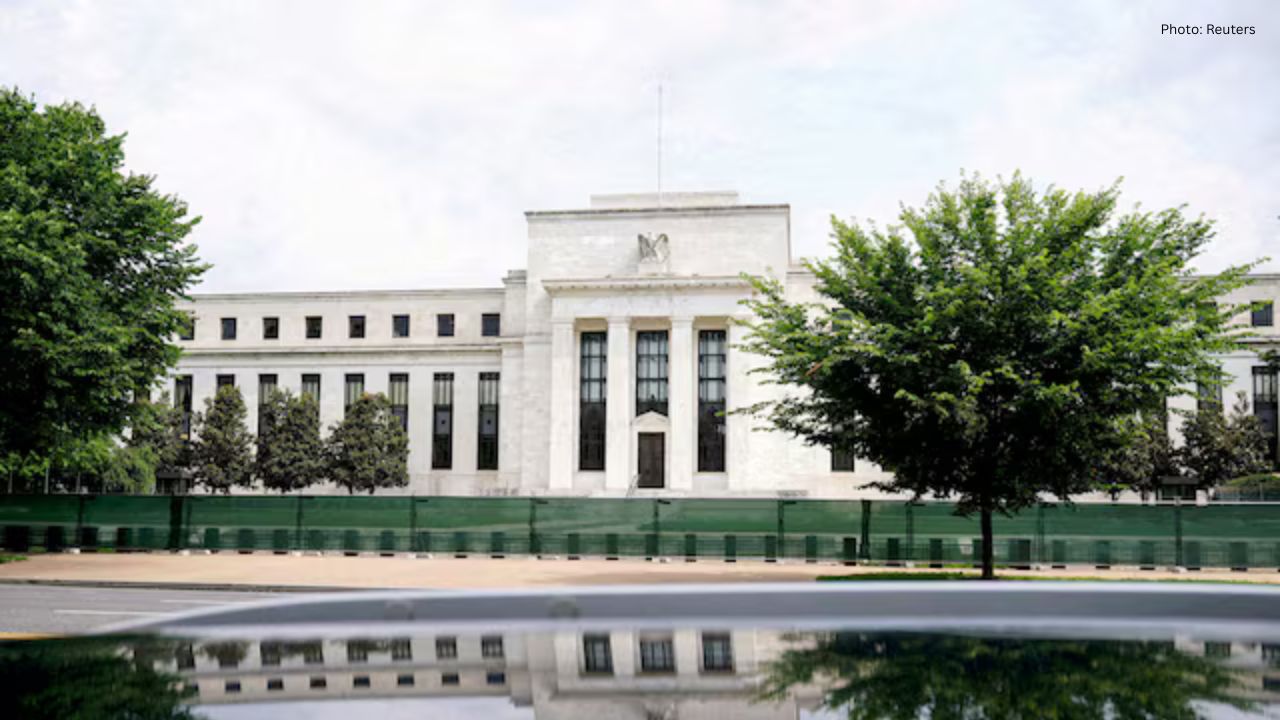
The concluding meeting minutes of the U.S. Federal Reserve for 2025 are anticipated to shed light on the increasing disagreements among policymakers about interest rate strategies. These minutes, stemming from the December 9–10 assembly, will be under scrutiny by global investors, businesses, and government entities.
During this gathering, the Federal Reserve opted to lower its key interest rate by a quarter point, adjusting it to a range of 3.50% to 3.75%. This marked the third consecutive rate reduction. However, the conclusion was not reached unanimously, with three policymakers dissenting, highlighting significant rifts on how to navigate the U.S. economy.
Two regional Federal Reserve presidents opposed the cut altogether, fearing that inflation remains above the Fed’s long-term target of 2%. Conversely, Fed Governor Stephen Miran pushed for a more substantial reduction of half a percentage point, advocating for a proactive approach to bolster a weakening economy. This stance from Miran represented the third instance where he advocated for deeper cuts since joining the Fed earlier this year.
Post-meeting, Fed Chair Jerome Powell acknowledged that internal disagreements within the central bank are more pronounced than normal. He noted that policymakers have “strong views” about whether inflation or slowing job growth stands as the greater risk, indicating an unsettled consensus on policy direction.
Regardless of dissent, Powell remarked that the 9–3 vote still illustrated significant backing for a cautious policy approach. This rate cut enables the Fed to take a step back and closely monitor economic developments as early as 2026 before further action.
Recent Fed projections reveal profound divisions among officials. Six out of 19 believe interest rates should have closed 2025 at levels higher than current rates. Looking forward to 2026, the views greatly differ. Some policymakers see no further rate cuts as necessary, while others advocate for one or more reductions should economic conditions falter.
Latest economic reports add to the uncertainty. November’s inflation figures indicated price increases at a more subdued 2.7% year-on-year. While this data favors those advocating for eased policy, economists caution its reliability, as much data was gathered late due to a government shutdown, with holiday sales possibly influencing lower prices.
The job market, too, is revealing signs of strain. The unemployment rate has climbed to 4.6%, although this number was calculated through unusual methods due to disrupted standard data collection. Experts thus advise treating these figures with skepticism.
The forthcoming Fed minutes are expected to detail these concerns more thoroughly. They will likely illustrate how policymakers weigh high inflation risks against indications of economic deceleration. This document may also reaffirm the Fed's intention to keep rates steady while awaiting clearer economic signals.
As 2026 draws nearer, the Federal Reserve faces a challenging balancing act. Its decisions will influence borrowing costs, employment, and economic growth not just domestically, but globally. The final 2025 minutes may unveil the true extent of divisions within the central bank.