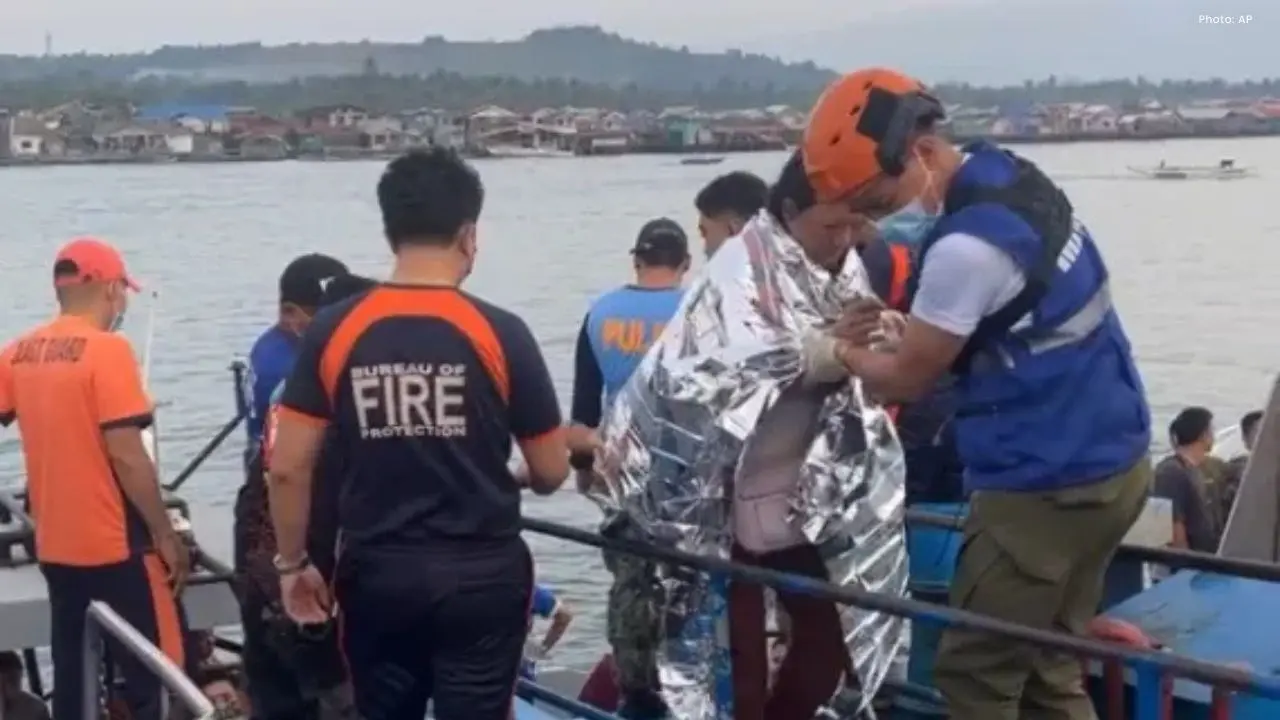
A catastrophic event occurred in the southern Philippines when a passenger ferry, carrying over 350 individuals, sank, raising urgent concerns about maritime safety. So far, authorities have confirmed seven fatalities, while several hundred passengers have been rescued after the incident happened during an overnight journey.
The ferry was en route between islands in the region when it faced significant challenges at sea. Officials indicated that the vessel was within its approved load capacity. However, the exact reasons for the sinking remain unclear, forcing passengers into the water or onto floating debris.
Swift action was taken by the Philippine Coast Guard, local officials, and members of surrounding communities upon receiving emergency signals. Fishing boats and dedicated rescue crafts quickly arrived on the scene to retrieve survivors from the water and bring them to safety at local ports. Many of those rescued exhibited signs of shock, exhaustion, and in some cases, required urgent medical attention, particularly elderly individuals and children.
Emergency accommodations were established at nearby ports to provide food, blankets, and medical support for the survivors. Numerous accounts revealed the terrifying moments as the ferry tilted and flooded. Families of those aboard anxiously awaited any news, hoping for the safe return of their loved ones.
Search and rescue endeavors continued throughout the day, enhanced by boats and aerial support. Officials noted that favorable sea conditions aided in the rescue mission, although the task of locating missing persons proved challenging. Efforts are ongoing to verify the total number of individuals onboard as authorities sift through passenger manifests.
A formal investigation has commenced to ascertain the reasons behind this disaster. Maritime authorities are looking into potential mechanical issues, human error, or other contributing factors, reassuring the public of accountability for any breaches of safety protocols.
Ferry travel is prevalent in the Philippines, an archipelago made up of more than 7,000 islands. Unfortunately, fatal maritime incidents occur annually, frequently attributed to aging boats, inadequate enforcement of safety regulations, or lack of emergency preparedness. This recent disaster has reignited discussions on enhancing inspections, crew training, and safety measures to prevent future tragedies.
As the nation grieves for those lost, focus shifts to improving safety to avert such calamities in the future. For many affected families, hope persists that missing individuals will be discovered, and that this tragedy will serve as a catalyst for safer maritime travels.