The Intertwined Journey of Gold and Silver
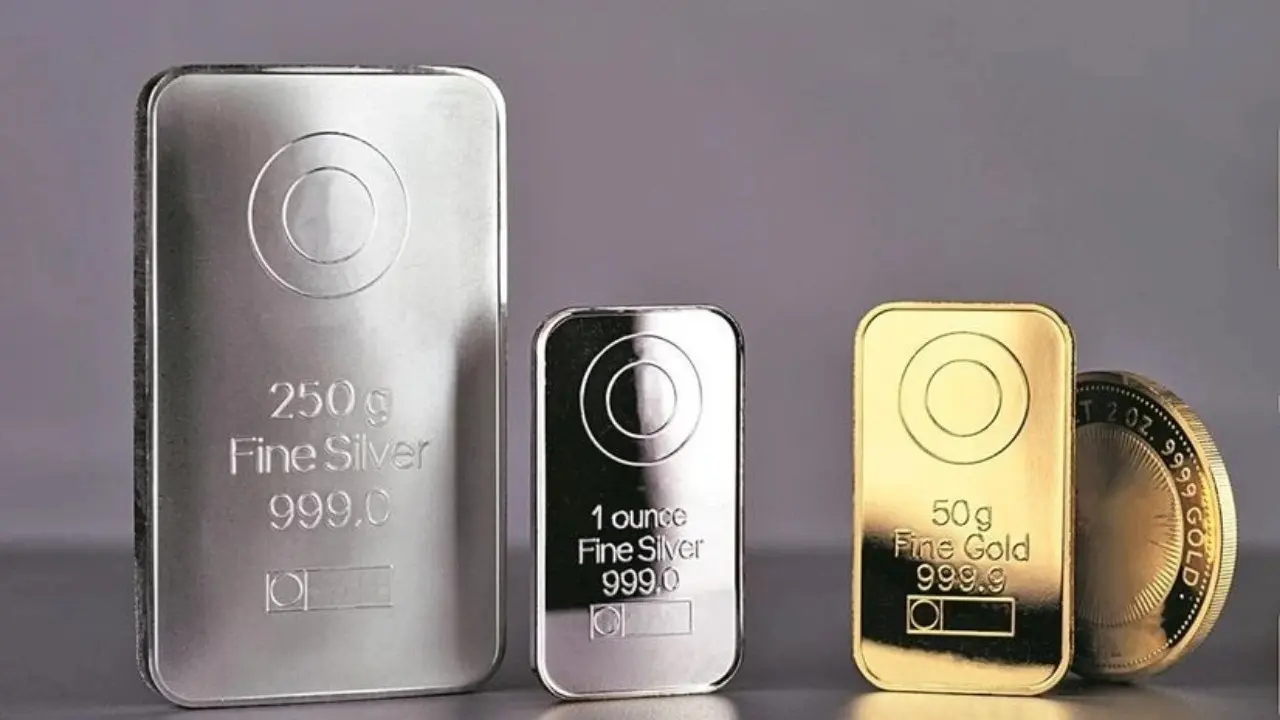
Despite their distinct pricing and utilizes, gold and silver often see simultaneous demand, akin to a duo building a financial strategy. As we enter 2026, renewed interest in these precious metals is evident in market discussions, with investors gravitating towards gold for security, while silver attracts them as an affordable option. This interconnected demand is shaped by shared histories, psychological factors, and economic trends that bind the two metals closely, often unbeknownst to new investors.
The common bond begins with how people perceive these metals. Gold is known as the ultimate value reserve, favored by royalty and financial institutions. Silver possesses a similar allure, albeit at a lower price point and heightened volatility. Households planning their financial futures or jewelers preparing for celebratory seasons typically choose both metals, viewing them as complementary components of wealth accumulation. This understanding is crucial for readers aiming to formulate informed strategies rather than relying on mere excitement for the New Year.
Historical Roots of Combined Demand
Centuries of Dual Currency Use
Historically, gold and silver have been more than just commodities; they served as currency. Various empires produced coins from both metals, maintaining fixed exchange rates by decree. This historical use has forged deep-set patterns in traders' minds. Even with the rise of fiat money, the legacy continues. As individuals in 2026 invest in bullion, they carry forward this cultural instinct. Financial advisors still assert that both metals are influenced by similar macroeconomic factors, such as inflation and currency depreciation.
Cultural Traditions and Modern Practices
In numerous cultures across Asia and the Gulf, celebratory events like weddings involve the gifting of both metals. A bride might adorn herself with gold, while silver gifts—be it in the form of bowls or bars—are traditional. This enduring practice significantly shapes contemporary buying habits. The resurgence of interest in physical wealth leads households to feel comfortable acquiring both gold and silver, typically at the same time, illuminating why their demand often aligns.
Economic Underpinnings Uniting Gold and Silver
Inflation Concerns and Currency Decline
A primary catalyst for the rising interest in both metals is inflation. With prices for essential goods trending upward, there's growing concern that fiat currencies are losing value. While gold acts as a protective buffer, silver emerges as a secondary safeguard. As 2026 unfolds and central banks adjust interest rates, savvy investors distribute their savings across gold and silver, capitalizing on their dual momentum, especially when the dollar falters.
The Impact of Interest Rates
Interest rates significantly determine investment behaviour. Diminished returns on deposits make non-yielding assets like gold more appealing. The same rationale applies to silver. Recent trends reveal that investors react to anticipated rate cuts by seizing opportunities to invest in both metals. Although the tech sector buzzes with advancements like AI, the fundamental economy of precious metals still relies on conventional factors.
Industrial Demand Boosts Silver
Unlike gold, silver sees considerable industrial demand through various sectors including electronics and green technology. A surge in manufacturing leads to spikes in silver pricing, subsequently capturing broader attention towards precious metals, including gold. This industrial increase frequently coincides with inflation worries, multiplying the demand for both.
Market Psychology and Investment Trends
The Safe-Haven Mentality
Gold's reputation as the go-to safe haven prompts buyers to explore silver as a more affordable complementary option. Many first-time buyers in 2026 opt for silver coins, slowly building a gold collection over time. This collective mindset is amplified through unfiltered discussions on online platforms and social media, creating a bandwagon effect that drives up demand for both metals.
Media Influence on Buying Duality
Discussions surrounding precious metals frequently portray them as a pair, promoting the idea that silver supports gold and vice-versa. As soon as consumers wrap up their festival preparations, they are likely to recall these narratives, further blurring the lines of interest in both metals.
Diversifying Portfolios with Gold and Silver
Strategic Investment Tactics
Investment professionals in 2026 advocate for diversifying within the same asset class. Gold offers a safeguard against geopolitical instability, while silver fosters potential growth through industrial utilization. Adopting such a combined strategy explains the coherent demand for both. Portfolios treat gold and silver not as competitors, but as essential layers of a comprehensive financial approach.
Using Hedging Ratios
Many traders utilize gold-silver ratios for hedging. When these ratios shift dramatically, investors tend to sell one to buy the other. This interest has surged in 2026, as such trades emerge within the same economic contexts, driving the parallel demand of the two metals even amidst differing personal motivations.
Retail Opportunities and Accessibility
Retail landscape changes integrated both metals into unique packages, making it convenient for shoppers to buy small gold coins alongside silver coins. This push towards accessibility makes it easier for households to partake in the precious metals market.
Regional Influences on Growth in 2026
Impact of the Middle Eastern Market
Countries in the Gulf region continue to be significant consumers of jewelry and bullion. With blooming desalination projects in the UAE and an influx of tourism during the winter, households are inclined to acquire precious metals for celebratory purposes. This regional consumption trends shape the global marketplace. Just as differing cricket styles lead to taut matches, geopolitical factors also drive consumers towards gold and silver.
Wealth Strategies Amid Migration
Climate migration shifts regional demographics, prompting displaced families to prioritize tangible forms of wealth. Carrying coins offers a more efficient trade method than banking documents. This focus on practicality enhances simultaneous demand for both metals.
Supply Chain Dynamics of Precious Metals
Mining and Transportation Costs
Mining operations for gold and silver frequently encounter similar transportation and energy expenses. As unexpected global challenges arise, including chip shortages or new tariffs, these costs compel mining companies to adjust their pricing strategies. Such operational mechanics consequently can influence both metal markets simultaneously.
Refining Constraints
Metal refineries, much like those in the skincare industry, grapple with capacity limitations which can lead to elevated prices and increased visibility for both gold and silver.
Consumer Engagement in Retail
The Journey from Discovery to Purchase
In 2026, consumers begin their search for precious metals on various online platforms before heading to stores to make purchases. This conscious path toward buying, drawn parallel to food and skincare trends, leads individuals to incorporate coins into their personal wealth.
Jewelry Trends Shaping Retail
Jewelers prepare for wedding seasons by utilizing both metals, dynamically influencing retail outcomes.
Comparative Aspects of Gold and Silver
Price Fluctuations
Silver tends to exhibit more volatility compared to gold. When silver experiences a sharp increase, investors often pivot to gold, seeing it as a stable ally. This correlation in price movements helps explain the twin demand.
Long-Term Financial Security
While gold ranks as a long-standing store of value, households frequently diversify their financial holdings between both metals.
Why Demand for Both Metals is on the Rise
-
Common historical background
-
Inflation-hedging instincts
-
Currency depreciation
-
Low-rate environments
-
Hedging strategies with ratios
-
Cultural jewelry practices
-
Growth in industrial usage of silver
-
Costs associated with mining supply
-
Media portrayals
-
Access to coins
-
Security through migration
-
Limitations in refining
-
Portfolio diversification
-
Bandwagon effects
-
Festival spending
-
Retail innovations
-
Educational initiatives
-
Tech as a productivity boost
-
Logistical challenges
-
Global mood of risk
Challenges to Twin Growth
Reliability of Retail Insights
Much like AI advancements in skincare should not replace expert opinions, advice from retail outlets should not undermine professional investment counsel. Impressive ingredients may irritate sensitive skin; similarly, excessive volatility in silver can challenge investor confidence.
Affordability Issues
High-priced commodities like caviar and gold coins necessitate a gradual adaptation by households.
Investment Opportunities for 2026
Protection of Assets and Ownership
With advancements in Web3 and biometric security, transactions can be safeguarded effectively. Opportunities arise for entrepreneurs to create retail spaces focusing on peer resale.
Youth Education and Participation
The influence of Gen Z on meme culture may motivate a rise in participation in the precious metals market.
Impact on Society
Class Fluidity
The convergence of fashion and technology is seen in designs that feature both beauty and functionality. The value of texture has grown, moving beyond aesthetic perfection.
Daily Practices
Food, metals, and skincare increasingly intertwine as essential aspects of wellness routines.
Future Trends for Precious Metals
Toward Collaborative Industry Advances
Advancements in quantum chemistry may boost industrial silver demand, while gold benefits from concurrent attention across markets. Innovations in 6G could facilitate real-time checks on wallet authenticity, further cementing the utility of metals in common use. The growing prominence of sustainable packaging may also keep precious metals in high demand in 2026 and beyond.
Strategic Global Defense
The politics surrounding lunar exploration may push central banks to uphold gold reserves, while households turn to silver acquisitions.
Conclusion: Embracing the Joint Demand of Gold and Silver in 2026
Though distinct in their attributes, gold and silver often see rising demand concurrently due to their response to mutual economic pressures and shared cultural significance. Inflation and uncertain currencies invite investments in gold as a protective measure, while growth trends in various industries lead to a surge in silver demand. The social psychology surrounding investments and increasing access to retail offerings magnify this phenomenon. For readers entering the New Year, grasping this synergy is vital in constructing sound investment portfolios. The forthcoming months hold promising prospects for synergistic collaborations and ecological innovations, ensuring that the timeless appeal of physical wealth remains unassailable. The twinning dynamics of these precious metals are destined to thrive throughout 2026 and beyond.
Disclaimer:
The information presented in this article is for educational purposes only and does not serve as a definitive investment recommendation. The markets for precious metals can exhibit volatility and are subject to policy changes and regional circumstances that may impact demand and price behavior.