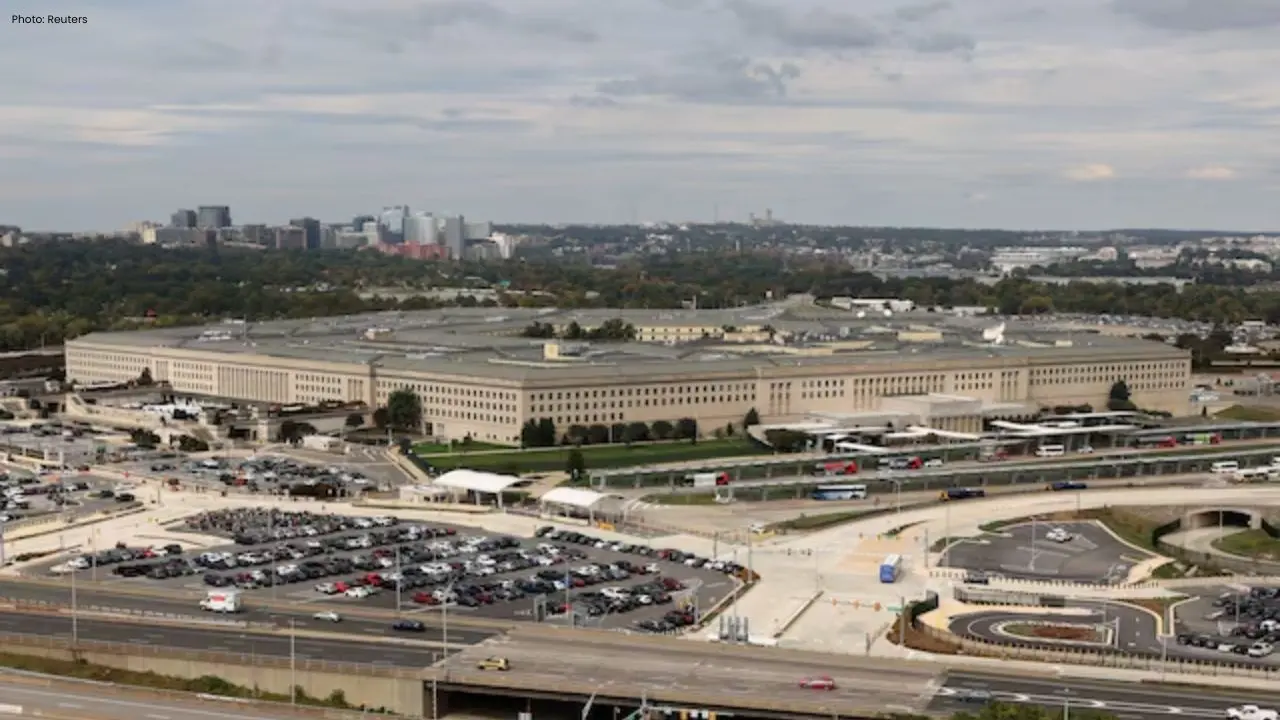
The U.S. Department of Defense has underscored a potential scaling back of its role in deterring North Korea, with a new policy suggesting South Korea will assume the lead in counteracting threats from Pyongyang. Released on Friday, this document points to a possible reduction in American troop levels on the Korean Peninsula.
Currently, approximately 28,500 U.S. troops are stationed in South Korea, integral to the longstanding security framework that ensures rapid response to North Korean military provocations. For many years, the American military presence has been a cornerstone for deterrence, bolstering Seoul through partnered training, intelligence sharing, and swift operational readiness.
However, the latest policy from the Pentagon hints that responsibilities may shift increasingly toward South Korea, aiming for enhanced regional self-sufficiency and stronger defense capabilities. While there’s no explicit announcement of troop withdrawals, the tone suggests a re-evaluation of U.S. security commitments in the region.
This transition occurs as South Korea increases its military preparedness, boosted by a 7.5% rise in its defense budget this year, highlighting its ambition to bolster its deterrent capacity against North Korea's expanding arsenal and ongoing military provocations.
Experts regard this policy shift as prompting South Korea to invest more heavily in advanced defense technologies, reconnaissance, and strike capabilities, as well as enhancing collaboration with allied nations. Conversely, any reduction in U.S. troop numbers will be monitored closely across Northeast Asia, given their essential role in promoting regional stability and ensuring a robust joint response to potential crises.
Currently, the alliance between Washington and Seoul remains strong and functional; however, this new policy document indicates a future where South Korea assumes a larger frontline role, while U.S. support potentially becomes more selective and limited.