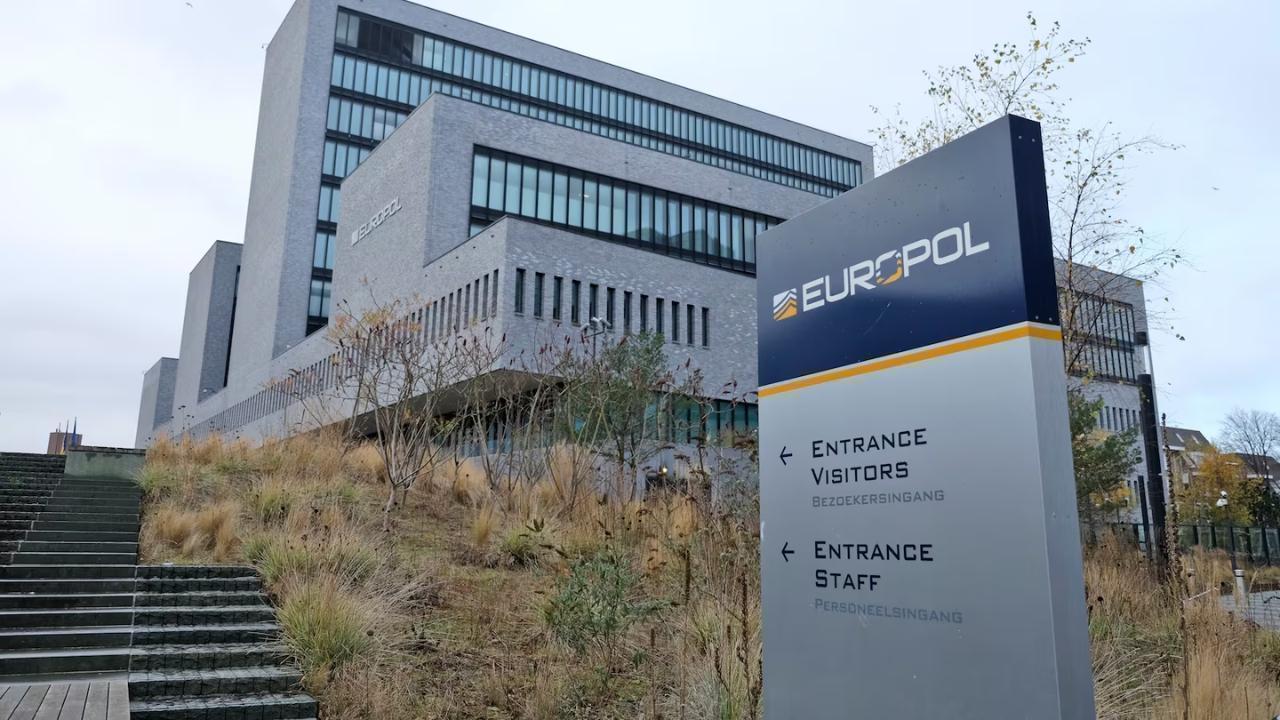
Photo:AP
A Major Crackdown on Human Trafficking
In early June 2025, dozens of countries across Europe, Africa, Asia, and South America coordinated in a sweeping operation against human trafficking networks. Led by law enforcement agencies from Austria and Romania, with the full backing of Europol, INTERPOL, and Frontex, this effort—dubbed Operation Global Chain—targeted illicit networks using sexual exploitation, forced labor, forced begging, and coerced criminal activity. Over six days, it culminated in the rescue of almost 1,200 trafficking victims and the arrest of 158 alleged traffickers.
Scope, Scale, and Coordination
This operation involved nearly 15,000 officers who carried out checkpoints, raids, and border inspections across 44 countries and 276,000 individual checks at airports, land crossings, ports, and known trafficking hubs. Officers inspected nearly 182,000 vehicles and screened over 5,700 flights and vessels. Their coordinated actions uncovered forced labor in agriculture, construction, domestic work, sexual exploitation, and discriminatory trafficking of minors into begging or petty crime. Specialized teams from police forces, labor inspection units, border guards, customs and tax officials collaborated in real time through a centralized coordination center based in Warsaw.
Rescue of Trafficking Victims
Approximately 1,194 potential victims from 64 countries—including Romania, Ukraine, Colombia, China, and Hungary—were identified and safeguarded. Among these were adults coerced into sexual servitude and children forced to beg or steal. Victims included whole families, with recruitment tactics sometimes involving parents trafficking their own children. National task forces from Brazil, Italy, Ukraine, Austria, Moldova and beyond were instrumental in uncovering operations involving forced prostitution through massage parlors, gang-led labour exploitation, and transcontinental trafficking for sexual purposes.
Arrests and Criminal Network Disruption
The operation culminated in 158 arrests of individuals suspected of orchestrating trafficking rings. This included family-based networks such as those using the "lover-boy" grooming method to recruit women for sexual exploitation. Police also dismantled criminal groups operating in multiple countries and demanded evidence leading to further prosecutions. In Italy, for example, raids at massage parlors yielded dozens of victims and several arrests. Brazilian law enforcement disrupted a trafficking cell that had lured victims through fake job ads and exported them for forced prostitution.
Compelling Cases Across the Globe
In one case involving Romania, authorities secured the release of child victims aged 7 to 15, trafficked for forced begging. In Austria, a trafficker from a Romanian family-operated network was arrested, freeing eight exploited women. In Ukraine, traffickers shipping women to Berlin were dismantled. In Brazil, victims bound for Myanmar’s sex industry were rescued via INTERPOL Blue Notices. In Moldova, offenses included seizures of weapons and drugs connected to trafficking operations.
Seizures and Financial Disruption
As part of the operation, investigators seized cash, narcotics, weapons, explosives, fraudulent documents, and real estate. One operation confiscated more than a tonne of cannabis, almost 900 other narcotic units, 30 firearms, 15 explosive components, and over €277,000 in cash. Financial and asset seizures are critical to disrupting criminal operations and preventing profits from reinvestment.
Victim Protection and Next Steps
Rescued individuals were provided immediate support, including medical and psychological care, safe housing, and legal assistance. Authorities flagged traffickers, launched 182 new investigations, and activated 14 international notices to track suspects across borders. Agency leaders emphasized that each rescued victim represented both a life saved and a powerful rebuke to human trafficking networks.
The Role of International Cooperation
INTERPOL, Europol, and Frontex were central to Operation Global Chain, supplying intelligence platforms and logistical coordination for real-time operations. Over 33 professionals from these agencies were on-site in Warsaw’s coordination center facilitating cross-border operations. Police forces and border authorities in Albania, Belgium, Brazil, Croatia, Cyprus, Estonia, Finland, Greece, Hungary, Iceland, Ireland, Kosovo, Lithuania, Luxembourg, Malta, Moldova, Montenegro, the Netherlands, Nigeria, North Macedonia, Poland, Portugal, Serbia, Slovakia, Slovenia, Spain, Sweden, Switzerland, Thailand, Ukraine, the UK, and Vietnam all participated, marking a broad global frontal assault on trafficking.
Why Human Trafficking Persists
Human trafficking continues to thrive due to modern crime networks exploiting vulnerable populations. Predators leverage false job advertisements, fraudulent document trafficking, social media recruitment, and familial coercion. Many victims are moved across countries or continents, making detection harder. International crime rings recruit victims from economically disadvantaged nations, including Colombia, Romania, China, and Ukraine.
Moreover, Europe's open borders can be misused for illicit trafficking despite increased scrutiny by law enforcement and border services. Criminal exploitation infiltrates sectors like domestic labor, sex work, agriculture, construction, and street begging. Children, unaccompanied adolescents, and people with unstable immigration status are particularly vulnerable.
Succeeding Through Coordinated Actions
Operation Global Chain reflects the growing recognition that fighting human trafficking demands transnational responses. Key success factors included intelligence sharing, joint investigations, public-private partnerships, and frontline coordination across borders and disciplines.
National agencies provided local knowledge, labor inspectors helped identify exploitation in workplaces, customs officials intercepted illicit goods and documents, and police executed arrests and victim rescues.
The operation also combined interruption of trafficking networks with legal and financial countermeasures—such as asset seizures, credit investigations, and fraud documents—to constrict criminal legs.
Challenges Ahead
Despite this operation’s success, gaps remain. Often, victims remain invisible or fearful of speaking out. Legal proceedings may be delayed, and countries may lack comprehensive frameworks to prosecute cross-border human trafficking. Ensuring long-term protection, rehabilitation, and reintegration of survivors is essential.
Smaller criminal cells can quickly reassemble unless disrupted by continued enforcement. Efforts to diminish demand for cheap illicit labor and forced sex services must complement enforcement. Further investment in digital detection, financial transparency, social services, and public awareness is required.
Looking to 2025 and Beyond
Following Operation Global Chain, investigators opened dozens of new inquiries and increased cooperation across regions to ensure that high-value targets remain under scrutiny. New international notices and alerts will track fugitives, coordinate arrests, and facilitate cross-border evidence sharing.
Authorities aim to build on this momentum by expanding intelligence networks and engaging civil society, NGOs, diplomats, and business stakeholders to reduce trafficking. Governments also seek sustainable funding for victim services, specialized training for law enforcement, and resources for labor inspection and anti-corruption initiatives.
A Human Rights Success
Operation Global Chain saved nearly 1,200 people, offering a stark reminder that hundreds of thousands more might be suffering in silence. This achievement highlights justice in action and underscores the ongoing fight for human dignity. Ending human trafficking requires persistent, compassionate, and international responses—and today’s results offer hope that united action makes a difference.