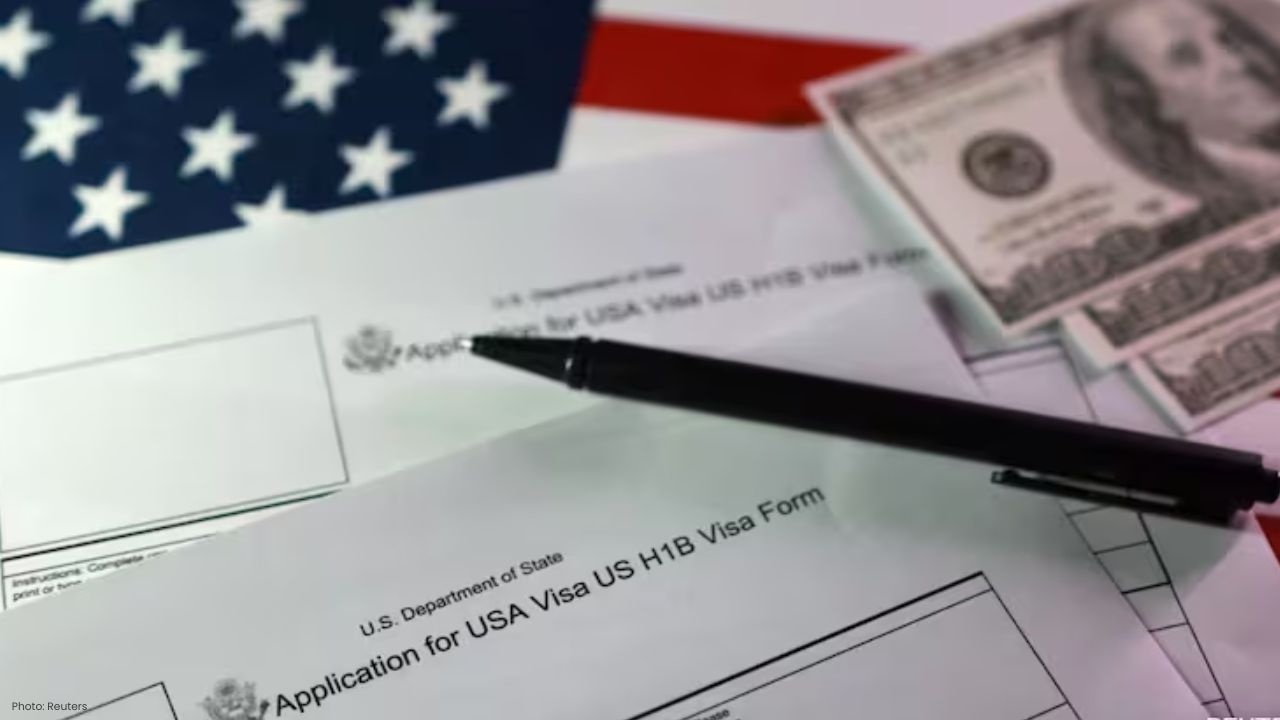
The U.S. Department of Labor (DOL) has launched investigations into at least 175 potential abuses of the H-1B Visa Program, with a focus on ensuring employers remain compliant and prioritize American workers while protecting foreign visa holders from exploitation.
This initiative, termed Project Firewall, initiated in September, aligns with a recent presidential directive imposing a one-time $100,000 fee for H-1B visa applications. Its purpose is to uncover and rectify violations adversely impacting both U.S. and foreign employees.
Though detailed findings are pending, early indications suggest that more than $15 million is owed in back wages. Significant issues identified include instances where foreign workers, particularly those with advanced degrees, received pay considerably below what was described in their job postings. Such discrepancies not only disadvantage visa holders but also lead to wage suppression for American workers in similar roles, compelling them to accept lower wages for competitiveness.
Investigators found that many employers neglected to inform U.S. Citizenship and Immigration Services (USCIS) in a timely manner after terminating employees on H-1B visas, resulting in extensive delays in reporting and violations of existing regulations.
Another critical aspect involves the Labor Condition Application (LCA), which employers must submit when hiring foreign workers under H-1B and similar visas. This application mandates prior notification to American workers before bringing in foreign labor. However, several investigations uncovered that designated workplaces either did not exist or American employees were unaware of their purported job assignments.
Additionally, violations were noted regarding wages paid, with some employees not receiving the salary specified in their LCAs. Furthermore, some employers were found to be reusing job advertisements for American applicants that showed little relevance to the actual openings.
Concerns were also raised about the practice of "benching," where H-1B workers were not compensated during waiting periods between assignments, raising questions about fairness and wage protection.
The DOL’s rigorous efforts signal a renewed emphasis on visa program oversight and a pledge to uphold fair wages and working conditions for all workers in the United States.