The Australian government's initiative to enhance gun control and curb hate speech in the wake of the tragic Bondi Beach shooting is meeting significant opposition from conservative parties and the Greens. This backlash raises concerns about the likelihood of the proposed laws passing through Parliament as currently presented.
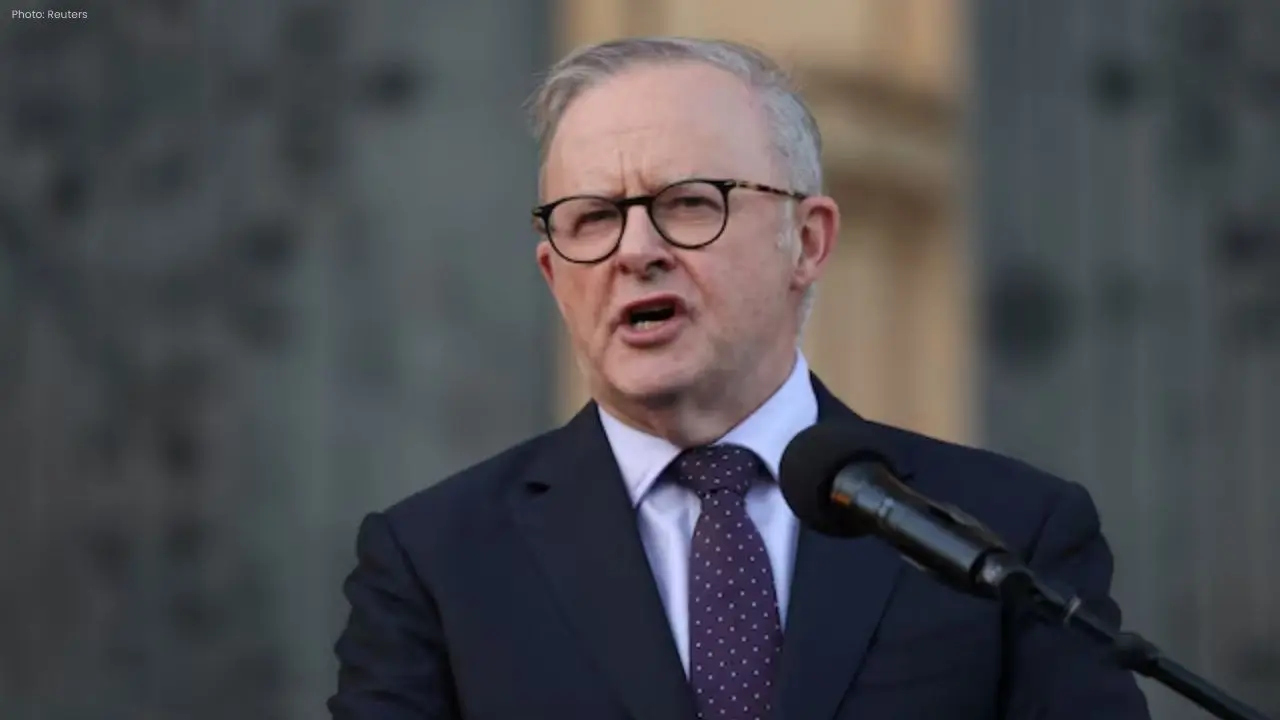
Prime Minister Anthony Albanese has announced the recall of Parliament from its summer recess to discuss these urgent proposals. Lawmakers will convene next Monday and Tuesday, aiming for rapid approval of a comprehensive bill targeting both firearms regulation and hate speech.
The legislation seeks to introduce a government buyback program aimed at withdrawing specific firearms through compensation for voluntary surrender. Additionally, it aims to lower the legal threshold for prosecuting hate speech, allowing for quicker actions against communications that incite violence or target individuals based on race, faith, or other recognized characteristics.
The government argues these measures are essential for enhancing public safety and preventing future violent incidents. Officials emphasize that the Bondi incident has exposed critical vulnerabilities in existing legal frameworks concerning weapon regulation and the management of hate-related threats prior to escalations.
However, the proposals have ignited robust political contention. Conservative critics accuse the government of hasty action and mishandling by merging gun control with hate speech legislation. They express concern regarding potential impacts on lawful gun owners and freedoms of speech.
Opposition leaders assert that Australia possesses some of the world's most stringent gun laws and that further restrictions deserve thorough examination. They warn that easing hate speech prosecution criteria could unjustly penalize legitimate expressions and civil discourse.
Meanwhile, the Greens have voiced their reservations, advocating for stricter gun laws and robust protections against hate yet questioning the sufficiency and framework of the current proposals. They seek clearer provisions to ensure the laws' effectiveness without leaving room for exploitation.
With critiques emanating from both ends of Parliament, the government faces a challenging road ahead. Support from the opposition or key crossbench parties is crucial for the bill’s success during the recalled session.
In defense of the recall, Prime Minister Albanese stressed the pressing need for decisive measures post-Bondi shooting, calling for a focus on Australian safety over political division.
“We owe it to the victims and their families to act,” said government representatives, underlining that these proposals aim to lessen dangers and bolster community security.
Legal scholars and civil rights organizations are keenly observing the discourse. Some have embraced the push against hate speech, arguing timely action can avert extremism and violence, while others urge meticulous drafting to ensure clarity, balance, and respect for democratic principles.
As Parliament readies to reconvene, the feasibility of consensus remains uncertain. While amendments may arise during discussions, the window for legislative action is narrow amidst escalating political strains.
The outcome of next week’s deliberations will decide if the government can effectively translate its response to the Bondi Beach tragedy into legislation or if further discussions and delays loom in the coming months.