Cuba is stepping into a phase of profound uncertainty following the removal of Venezuelan President Nicolás Maduro by the United States. For many years, Venezuela has been Cuba's closest ally and its primary oil provider. In light of Maduro’s ousting, numerous Cubans are anxious that their nation’s already precarious economy may endure even more difficulties.
On Monday morning, Cuban officials lowered flags over Havana in remembrance of 32 Cuban security personnel who lost their lives during the U.S. operation in Venezuela. The government reported that the officers perished while safeguarding vital installations or during active conflict. This tragedy struck a deep chord in Cuba, which has regarded Venezuela as a brother republic for generations.
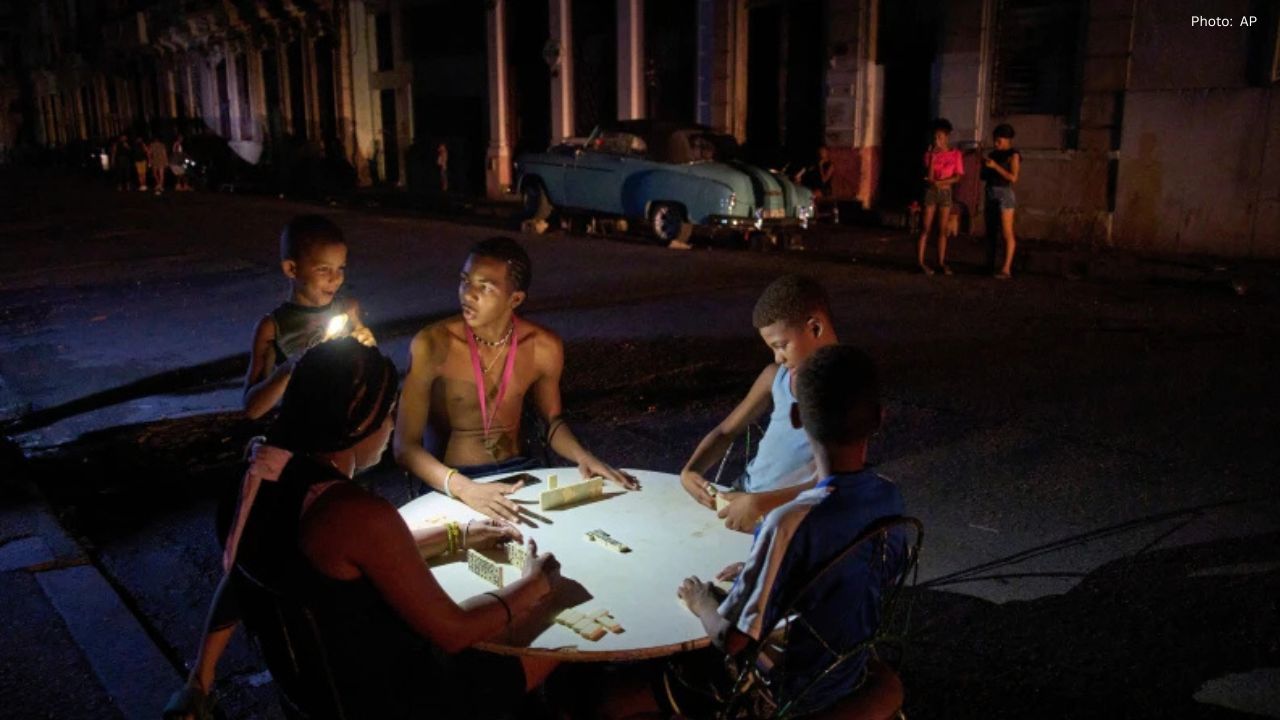
The bond shared by the two nations is profound. Cuban military and security forces frequently acted as bodyguards for Maduro, while Venezuela provided Cuba with subsidized oil for an extended period. This oil has been instrumental in keeping the lights on and transportation operational in Cuba, even as the island grappled with persistent shortages and recurrent blackouts.
Following Maduro’s removal, U.S. President Donald Trump explicitly warned that further hardships awaited Cuba. He indicated that severing ties with Venezuela would further strain its economy, which was already under immense pressure. His remarks amplified apprehensions among ordinary Cubans, many of whom are already struggling to procure essential food and supplies.
Analysts estimate that Venezuela was supplying around 35,000 barrels of oil daily to Cuba in recent months, fulfilling nearly a quarter of the island's oil requirements. The cessation of these shipments could have dire consequences, as Cuba lacks the financial ability to procure oil from the global market, leading to prolonged and more frequent power outages.
Some experts argue that Russia remains Cuba's only significant ally capable of providing oil. Although Russia already sends limited quantities, it's uncertain whether it will enhance its support. Others suggest that China might step in, but this assistance would likely require Cuba to implement substantial reforms to allow greater private sector participation and reduce state control.
In the meantime, the United States is plotting a strategy to rehabilitate the beleaguered Venezuelan oil industry. President Trump has indicated that oil corporations might invest billions to restore production, with the U.S. government potentially covering later expenses. However, political instability and high operational costs cast doubt on the feasibility of this initiative.
For Cuba, the immediate priority is survival. Blackouts have become a norm, and food scarcity has pushed countless families to their limits. The potential loss of Venezuelan oil could escalate an already challenging scenario into a cataclysmic crisis.
As the region acclimates to a transformed political environment, Cuba finds itself at a pivotal junction. In the absence of Venezuelan backing, the island may need to revamp its economic model or cultivate new alliances. Presently, many Cubans can only hope that the months ahead do not usher in even bleaker periods.