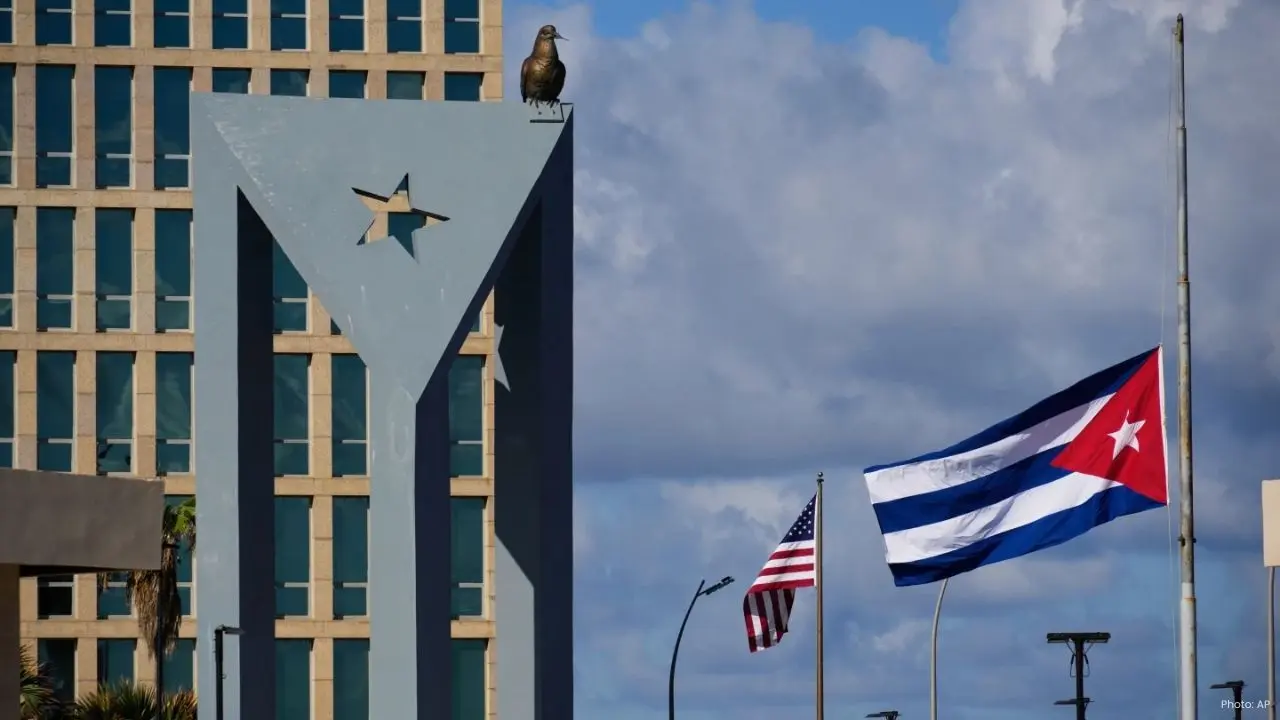
Flags flew at half-mast across Cuba on Monday as the nation collectively mourned the deaths of 32 security personnel reportedly killed during a U.S. strike in Venezuela. The somber atmosphere on the island stemmed not only from the tragic losses but also from a growing sense among Cubans that a significant transition is upon them—one that may exacerbate their already challenging daily lives.
Venezuela has historically served as Cuba's most dependable ally, forming a union that extended far beyond mere political ties. Cuban military personnel and intelligence agents have played crucial roles in Venezuela’s security landscape, often providing close protection for President Nicolás Maduro. In return, Venezuela supplied crucial oil that powered Cuba’s infrastructure, facilitated transportation, and sustained its struggling economy.
The future of this vital lifeline now hangs in uncertainty.
Cuban state officials reported that those who died either resisted the aggressors or perished amid the attacks on military sites. Over the weekend, Havana denounced the U.S. intervention, labeling it as a form of “state terrorism.” Yet, beyond political rhetoric, many ordinary Cubans are left anxious about the impending consequences.
Years of shortages and electricity outages have already strained life on the island, with reliable food supply and energy increasingly rare. With Maduro now removed and detained, the critical question arises: will the oil deliveries that once alleviated these difficulties come to a halt?
Recently, Maduro’s regime had been dispatching approximately 35,000 barrels of oil each day to Cuba—around 25% of the island's oil needs. Even with these supplies, power outages were common, and the prospect of losing this support has many worried about a rapidly deteriorating situation.
“I can’t find the words to express how I feel,” lamented 75-year-old Berta Luz Sierra Molina, tears streaming down her face. On the other hand, 63-year-old Regina Mendez expressed an unwavering resolve, stating, “Even at my age, I would pick up arms if necessary. We need to stay strong.”
Options appear limited. Financial constraints make it difficult for Cuba to purchase oil on the global market. Mexico has already decreased its shipments, while Russia provides some oil, though not nearly enough to match Venezuela's contributions, focusing its efforts elsewhere. China could potentially assist, but that would likely necessitate significant economic reforms that the Cuban government has historically resisted.
In Washington, President Donald Trump emphasized that Maduro’s removal is intended to exert further pressure on Havana. According to him, Cuba’s beleaguered economy could face further decline, potentially “going down for the count.”
Simultaneously, Trump hinted at possibly revitalizing Venezuela’s oil sector with U.S. support, suggesting that production could rebound quickly if companies are compensated for their investments. However, even in that scenario, it would take time to materialize and wouldn’t guarantee a return of oil supplies to Cuba.
For the moment, Cuba remains in a state of suspension. The period of mourning, public demonstrations, and speeches are intertwined with a deeper, quieter apprehension. Without Venezuela, Cuba may soon be confronted with one of its most arduous challenges in decades, defined by fuel shortages and darkened homes, instead of political turmoil.