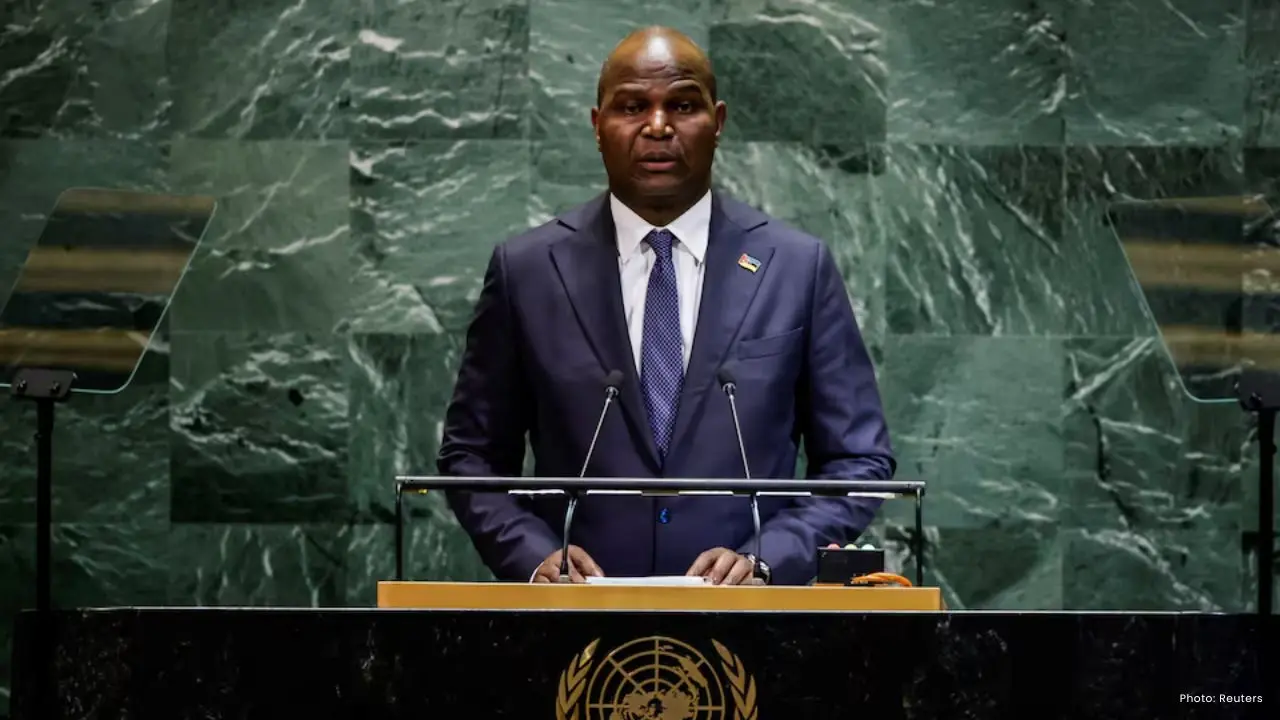
Mozambique is currently experiencing a dire national emergency, as extensive flooding impacts large areas of the country, leading President Daniel Chapo to forgo his planned attendance at the World Economic Forum in Davos. The president emphasized that prioritizing the safety and welfare of affected citizens is imperative at this juncture.
In a message disseminated on social media, President Chapo noted that Mozambique is enduring an extremely challenging phase. With thousands of families at risk and critical infrastructure compromised, he declared that it would be inappropriate to travel abroad during this crisis. His choice underscores the serious nature of the disaster and the immediate necessity for leadership within the nation.
Since mid-December, heavy rainfall has pounded Mozambique. The flooding has impacted various provinces such as Gaza, Maputo, and Sofala. Overflowing rivers in these areas have submerged roads, devastated homes, and obstructed access to essential services, leaving entire communities isolated as water levels continue to escalate.
Humanitarian agencies estimate that over 400,000 individuals have been affected by the floods. Many have suffered losses of their homes, crops, and livestock. Emergency shelters are becoming overcrowded, and aid workers caution that the number of affected individuals may rise if the rains persist.
The crisis has garnered regional attention, with neighboring South Africa dispatching a military helicopter to assist in search and rescue efforts in Mozambique. This aid has been vital in reaching remote areas where individuals are stranded due to flooding.
Flooding issues are not isolated to Mozambique. Parts of South Africa have also experienced significant rain, impacting regions near the renowned Kruger National Park. Some sections of the park were temporarily shut down for safety reasons, although authorities have since resumed visitor access.
Experts indicate that flooding in southeastern Africa is becoming increasingly frequent and severe. Climate change is a major factor, as rising ocean temperatures in the Indian Ocean contribute to more intense storms and heavier rainfall. Such extreme weather conditions are severely taxing poorer and developing nations, especially those with underdeveloped infrastructure.
For Mozambique, the floods represent more than just a natural disaster; they signify a social and economic crisis. Schools have closed, healthcare services are stressed, and food supplies are at risk. The government faces the dual challenge of managing immediate emergency responses and gearing up for long-term recovery efforts.
President Chapo’s decision to remain in the country conveys a powerful message about accountability during times of crisis. As Mozambique grapples with rising waters and increasing human suffering, the national agenda has shifted from international forums to local survival.