The year 2025 marked a pivotal shift in global legislation, as governments around the world introduced sweeping reforms impacting various socioeconomic aspects. While these changes were championed as necessary advancements by ruling entities, critics argued they curtailed civil freedoms and escalated inequality, leading to widespread protests and rising political tension.
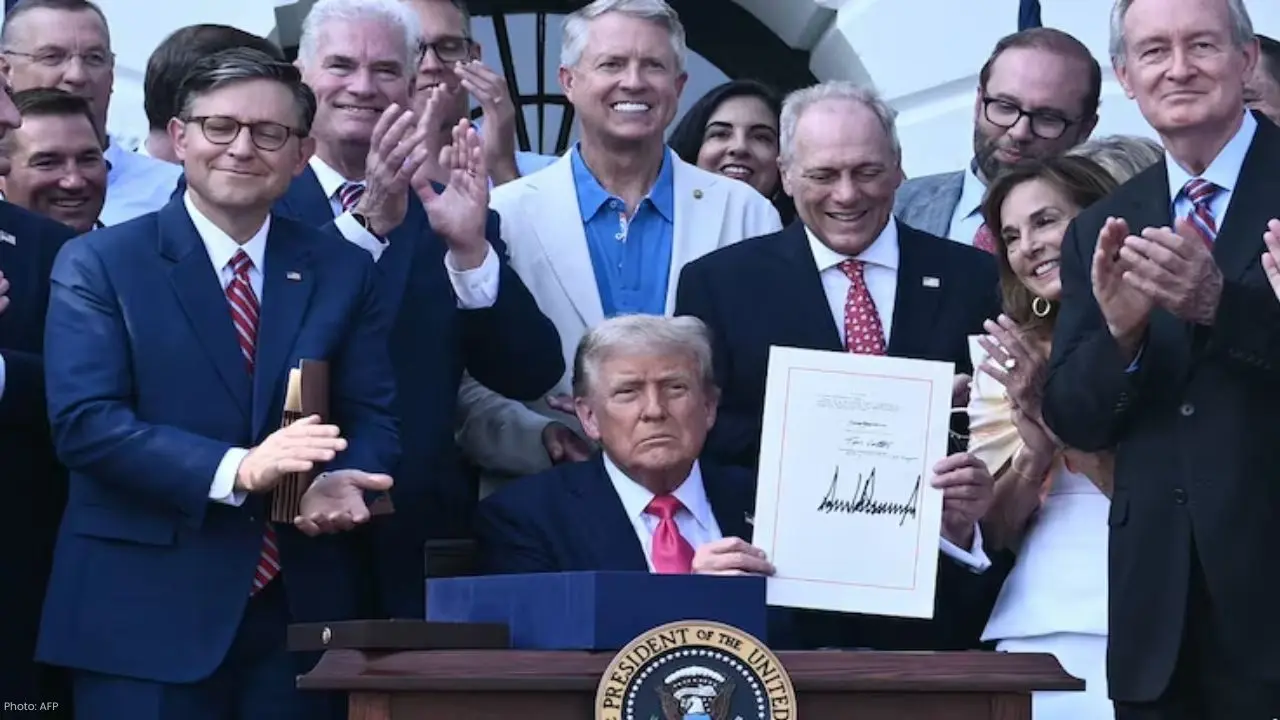
In the United States, President Donald Trump enacted the One Big Beautiful Bill Act in July, following his election earlier that year. This legislation aimed at significant tax reductions primarily aiding affluent households earning over $217,000 annually while enhancing military spending and border protection. Advocates viewed this as a springboard for economic progression, yet opponents contended that it overwhelmingly benefited the rich, cut off healthcare for over 10 million Americans, and added $3 trillion to national debt over the next ten years. The bill also sparked a public feud between Trump and billionaire Elon Musk, who voiced his disapproval of its fiscal priorities.
Another notable law in the U.S. was the Epstein Files Transparency Act, passed in November. This act mandates the Justice Department to unveil the majority of documents associated with Jeffrey Epstein’s sex-trafficking network. Epstein, who perished in custody in 2019, had extensive connections with powerful figures in politics, business, and entertainment, leading to demands for transparency about how his operations functioned and the possible complicity of high-profile individuals.
In India, multiple contentious legislative actions took center stage in 2025. The Promotion and Regulation of Online Gaming Bill, passed in August, prohibited all monetary games online, including fantasy sports and online lotteries. This law imposes severe penalties for running, advertising, or facilitating such activities, with ramifications ranging from hefty fines to up to three years in prison. Critics argued the ban stifled a burgeoning digital sector while the government asserted it was a vital measure against addiction and financial misconduct.
Additionally, India introduced the Right to Disconnect Bill promoting employees' right to ignore work communications outside of office hours, thereby fostering a healthier work-life balance in today's hyper-connected environment.
A further debated proposal involved a rule for the removal of ministers arrested in serious criminal allegations after 30 consecutive days in custody. While proponents believed it would enhance accountability, detractors warned it could jeopardize the core principle of innocence until proven guilty.
The Waqf Amendment Act, revised earlier in the year, provoked significant protests due to its alterations to Waqf property regulations and limited who can declare Waqf assets. While the authorities claimed the changes were meant to mitigate land conflicts, various groups challenged the law’s validity, leading to partial suspension but allowing the law to remain broadly applicable.
Pakistan's 27th Constitutional Amendment Bill brought substantial changes to its governance framework, granting lifetime immunity to key leaders and restructuring military command. This shift faced strong opposition from various parties, which labeled it a threat to judicial independence and democratic integrity.
Meanwhile, Iraq approved a controversial alteration to its Personal Status Law, permitting citizens to select between civil and religious legal frameworks for family disputes. This modification empowers husbands to unilaterally divorce and shifts child custody to fathers after a certain age, sparking outrage among women's rights activists.
Australia emerged as the first nation to impose a ban on social media access for individuals under 16. This legislation obligates platforms to expunge underage users or incur substantial financial penalties. Framed as a protective measure for children's mental health, this move faced criticism from tech companies and teenagers alike as overreaching and impractical.
Collectively, these legislations exemplify how 2025 served as a transformative year for legal frameworks worldwide—punctuated by bold reforms, fierce opposition, and ongoing discourse surrounding the delicate interplay between governmental priorities and individual liberties.