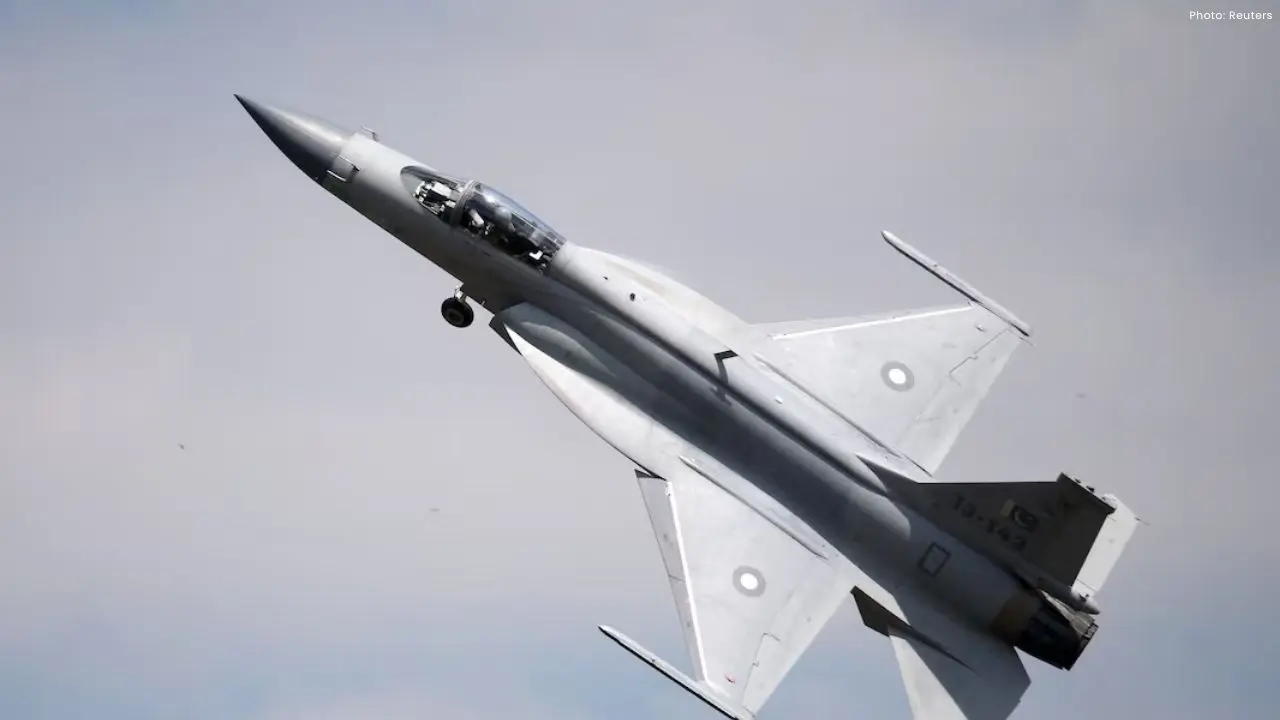
Pakistan’s defense sector is experiencing a significant upsurge in global interest following the deployment of its fighter jets, drones, and weapons in actual combat during the recent conflict with India. This real-world application has not only enhanced the credibility of Pakistani-made military equipment but has also paved the way for substantial negotiations with numerous potential buyers worldwide.
Sources within the defense community reveal that Pakistan is actively negotiating with approximately 13 nations over potential arms transactions. Talks with six to eight of these countries have advanced considerably, focusing on JF-17 Thunder fighter jets developed in collaboration with China, along with training aircraft, drones, missiles, and other defense technologies.
The JF-17 jet has become central to Pakistan’s military exports. Its performance in live operations during the conflicts has notably validated its capabilities. Experts affirm that this “combat-proven” label appeals to nations seeking reliable systems at prices far lower than those of Western defense suppliers.
Global supply chain disruptions have also significantly increased interest in Pakistani military offerings. Ongoing conflicts in Ukraine and the Middle East have complicated defense supply lines, leading nations to pursue alternative suppliers who can offer timely deliveries at competitive prices. Pakistan’s defense sector appears well-positioned to meet this growing demand.
Countries from the Middle East, Africa, and Asia—including Sudan, Saudi Arabia, Indonesia, Morocco, Ethiopia, Nigeria, Bangladesh, and Iraq—are expressing notable interest. Many of these nations already have established military or diplomatic ties with Pakistan, facilitating easier collaboration.
A key partner in negotiations is Bangladesh, with discussions reportedly covering fighter jets, drones, air defense systems, armored vehicles, and training aircraft. Should these negotiations succeed, it would signify a major leap forward in Pakistan’s status as a defense provider.
In response to the rising demand, Pakistan is boosting its production capabilities. Defense officials project a significant increase in JF-17 output by 2027 as production facilities undergo upgrades. Private firms are also taking a more active role, particularly in drone manufacturing, with hundreds of units being produced annually for military purposes.
However, challenges persist. Some potential agreements may encounter political obstacles, particularly concerning international arms regulations. Approval from China, a fundamental ally in various defense initiatives, is also crucial. Analysts emphasize that while interest is robust, not every negotiation will necessarily lead to a finalized contract.
Nevertheless, Pakistan’s burgeoning defense exports underscore how actual combat experience, competitive pricing, and adaptable partnerships are positioning the nation as a pivotal player in the global arms landscape.