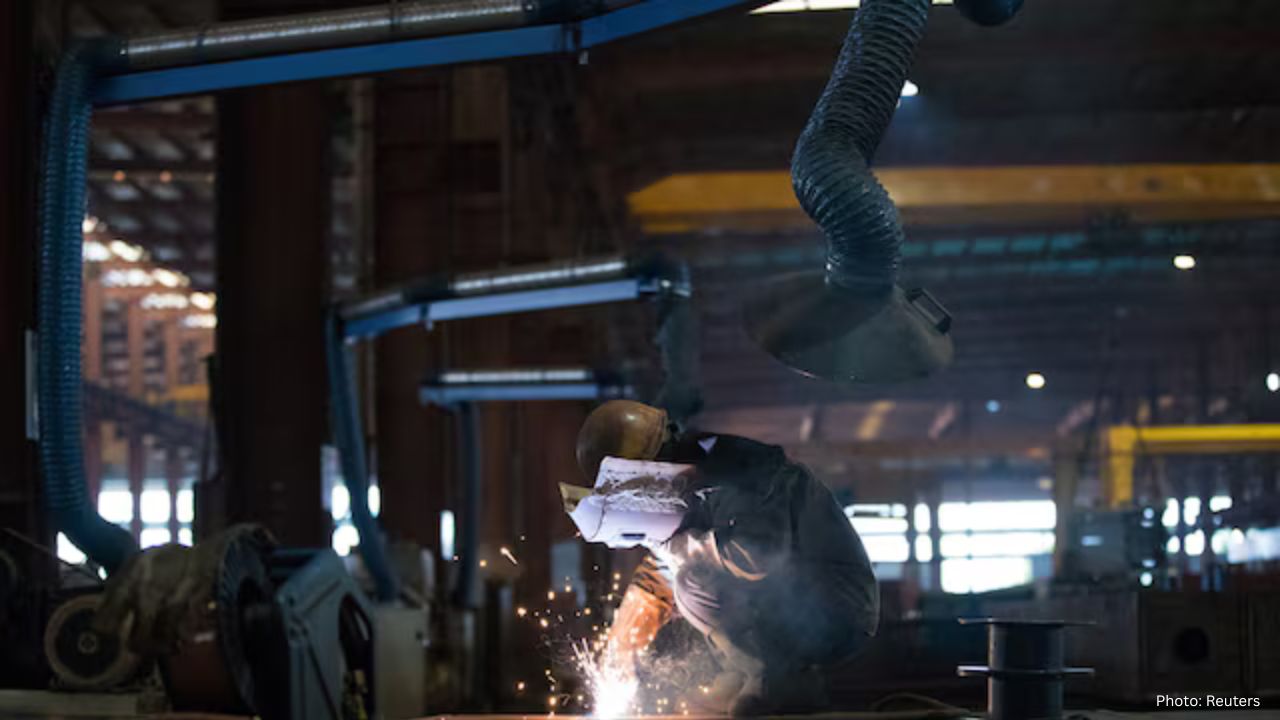
China’s manufacturing industry showed a flicker of vitality in December, breaking an eight-month downturn. New data indicates that manufacturing activity has returned to a growth track, primarily fueled by firms boosting their inventories in anticipation of the Lunar New Year celebrations.
The official manufacturing purchasing managers’ index (PMI) climbed to 50.1 in December from 49.2 in November. A PMI above 50 denotes expansion, while readings below signal contraction. This result took many economists by surprise, as they predicted ongoing weakness in factory activity. The data implies an influx of new orders and heightened production as enterprises geared up for February's festivities.
Production rates improved significantly, with factories operating at a quicker pace compared to the previous month. New orders have surged to their highest point since March, indicating stronger domestic demand. Enhanced delivery timelines also reflect better operational efficiency and planning among manufacturers. Government figures indicate a rise in confidence as firms stockpiled goods, particularly in industries such as food, agriculture, and beverages that typically see heightened demand during the holidays.
Meanwhile, the services and construction sectors also demonstrated slight gains. The non-manufacturing PMI rebounded above 50 after experiencing a sharp decline in November, hinting at a wider, albeit fragile, recovery in parts of the economy. An independent private survey also pointed toward moderate growth, primarily spurred by domestic demand rather than exports.
Despite these optimistic indicators, many economists remain wary. They express concerns that this recovery could be fleeting, driven largely by short-term holiday demand and government expenditure rather than robust consumer confidence. Export orders continue to falter, with international demand, particularly from the United States, remaining constrained due to ongoing trade tensions and tariffs.
China's persistent economic challenges remain unaddressed. Domestic demand is still weak, with consumers exercising caution due to job uncertainties and declining property values. Recent statistics showed a notable drop in industrial profits, underscoring the pressure on many businesses. Without a significant boost in household spending, increased factory output risks deepening deflation, which could adversely affect corporate earnings.
Chinese authorities are aware of these issues and have committed to enhancing incomes, driving consumption, and curbing detrimental price competition among businesses. President Xi Jinping has highlighted that the excess production capacity is a pressing concern, asserting that consumption is pivotal for sustainable growth. This stance shifts away from the previous focus on production and exports.
In summary, the factory data from December offers a temporary reprieve after a prolonged decline, yet it does not signal a definitive turnaround. The upcoming months will reveal whether China can convert this momentary recovery into consistent growth by bolstering domestic demand and reinstating consumer confidence.