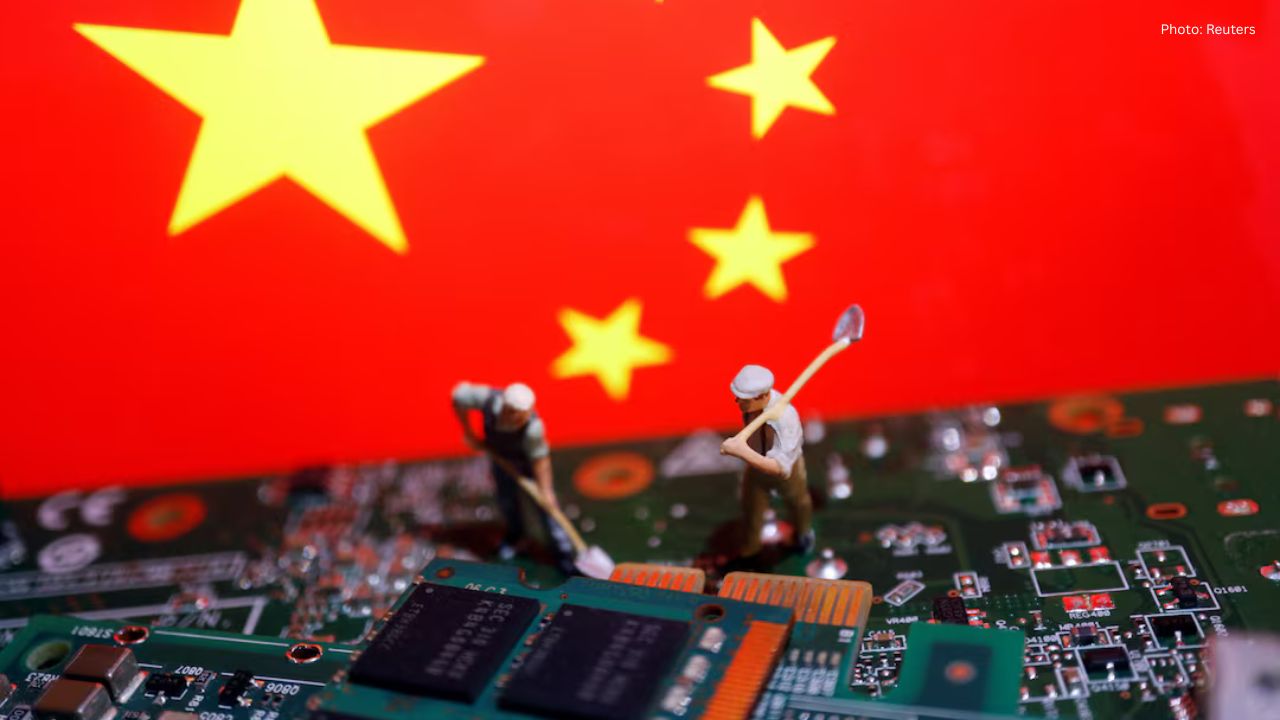
In a recent initiative, China has reinforced its semiconductor sector by requiring chipmakers to employ a minimum of 50% domestically manufactured equipment when expanding production capabilities. This requirement is part of Beijing’s broader strategy to minimize reliance on foreign technology and foster a self-sufficient chip supply chain.
As per sources privy to the matter, this directive isn't formally publicized yet plays a pivotal role in the approval process for new or upgraded chip plants. Firms looking to obtain government authorization must provide evidence through purchase paperwork that at least half of their machinery will be sourced from Chinese manufacturers. Applications are frequently rejected if this guideline is not met, although some leniency is granted if local options are unavailable.
Historically, China has depended on chipmaking machinery from countries such as the United States, Japan, South Korea, and various European nations. This reliance became particularly problematic following the United States’ export restrictions in 2023, hindering access to advanced chips and essential manufacturing tools. Consequently, Chinese chip manufacturers are now under pressure to pivot towards domestic suppliers, even in scenarios where foreign equipment remains an option.
Insiders indicate that the government ideally aspires for an even greater domestic proportion than 50%. Over time, the vision is for chip manufacturing facilities to heavily utilize equipment exclusively produced within China. However, relaxed regulations apply to advanced chip production lines, given that many high-quality domestic tools are still in development stages.
President Xi Jinping has consistently championed a “whole nation” initiative aimed at cultivating a robust domestic semiconductor landscape. This initiative relies on the collaboration of numerous engineers, researchers, firms, and educational institutions. To bolster these efforts, governmental support has been substantial, with extensive funding provided through the state-associated “Big Fund,” which recently initiated a new phase in 2024, allocating hundreds of billions of yuan.
The policy is noticeably yielding results already, with Chinese machinery manufacturers securing more contracts and rapidly advancing technological capabilities. Companies like Naura and Advanced Micro-Fabrication Equipment are now pivotal in providing tools for essential manufacturing processes such as etching, which plays a critical role in circuit formation on silicon substrates. Several of these tools are currently undergoing trials on advanced production lines, showcasing how swiftly local industries are bridging the gap with international players.
State-affiliated purchasers have recorded an unprecedented number of orders for domestic lithography equipment and components this year, indicating a strong appetite for homegrown solutions. Simultaneously, Chinese enterprises are increasing patent applications and enjoying robust revenue growth, reflecting the influence of governmental backing and assured demand.
While the policy benefits Chinese suppliers, it has raised alarm among foreign firms that are losing entry to one of the largest chip markets globally. Analysts suggest that China has achieved around 50% self-sufficiency in several equipment categories once dominated by international manufacturers.
In summary, the new requirement for 50% domestic equipment signifies a decisive evolution in China's strategy regarding semiconductors. By pushing for local tools in current factories, Beijing aims to cultivate the expertise, capacity, and confidence necessary to compete on a global scale, despite ongoing foreign challenges.