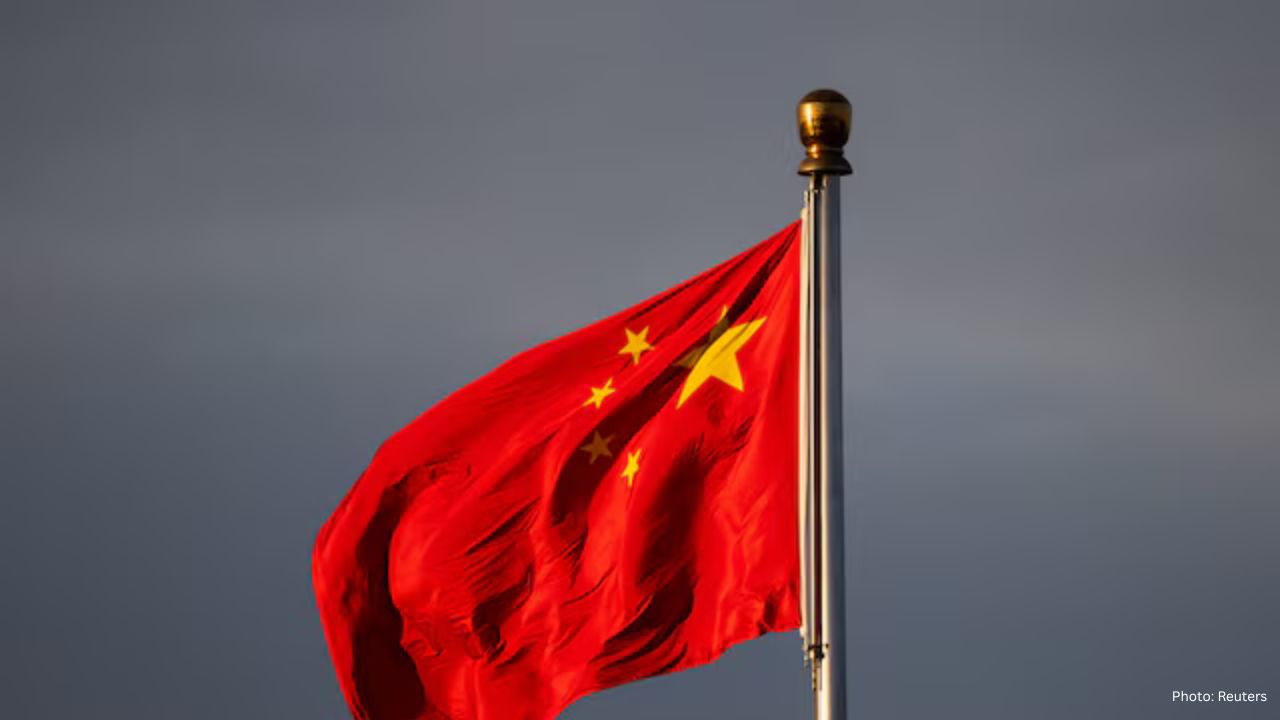
A significant relief funding initiative has been launched by China to aid individuals enduring hardship nationwide. The finance and emergency management ministries have collaboratively designated 4.44 billion yuan, approximately $634 million, aimed at assisting citizens, particularly in areas impacted by natural disasters.
An official announcement made on Friday mentioned that these funds will be utilized for basic support to families experiencing losses from floods, storms, earthquakes, and various emergencies. Moreover, it will assist those struggling with day-to-day expenses due to economic strains or unforeseen crises.
This decision arises as numerous regions in China confront harsh weather conditions, with recent heavy rains, flooding, and other natural phenomena wreaking havoc on homes, agricultural land, and public infrastructure. For countless families, these disasters have severely hampered their ability to earn a livelihood or fulfill essential needs like food, shelter, and medical care.
Distribution of the relief funds will be managed through local governments. Provincial and city officials will oversee the allocation, ensuring assistance reaches the most affected, including families who have lost their homes, elderly individuals living independently, people with disabilities, and low-income families impacted by such disasters.
The emergency management ministry plays a crucial role in identifying stricken regions and assessing damages. Collaborating closely with local authorities, the ministry assists in determining the distribution and utilization of funds for each area, facilitating rapid responses during emergencies.
In addition to immediate relief, a portion of the funding may also contribute to rebuilding efforts. This encompasses repairing damaged dwellings, restoring public amenities, and facilitating community recovery. Rapid rebuilding in disaster-stricken areas is essential to avoid prolonged poverty and displacement.
In recent years, China has intensified its focus on disaster preparedness and response strategies. With climate change driving an increase in severe weather events, the urgency of emergency planning has intensified. The government has invested in early warning systems, robust infrastructure, and swift emergency response units to mitigate the fallout from disasters.
Social support is another significant factor behind this funding initiative. Soaring living costs and uneven development have rendered certain communities more vulnerable. Through direct financial assistance, the government aims to address disparities and uphold social stability.
Public trust hinges on the effective utilization of these funds. Authorities have emphasized the need for transparency and stringent oversight to ward off misuse. Local officials are accountable for precisely monitoring expenditures to ensure that relief funds are utilized for designated purposes only.
For many households, this support can be transformative. Relief funding can assist in purchasing food, restoring damaged homes, covering medical expenses, and addressing other urgent necessities. In rural and isolated regions, where resources are scarce, government aid often serves as the primary source of assistance following disasters.
The allocation of 4.44 billion yuan illustrates China’s proactive stance in responding to adversities and safeguarding vulnerable populations. While challenges persist, particularly with escalating climate risks, this financial commitment underscores a resolve to facilitate recovery and rebuilding efforts.
As funds start to reach localities, the emphasis will shift to transparent implementation. The effectiveness and fairness of fund distribution will significantly influence its impact on the ground. For those grappling with the aftermath of disasters, timely assistance can lead to a crucial turning point from enduring hardship to rebuilding their lives.