Photo: Reuters
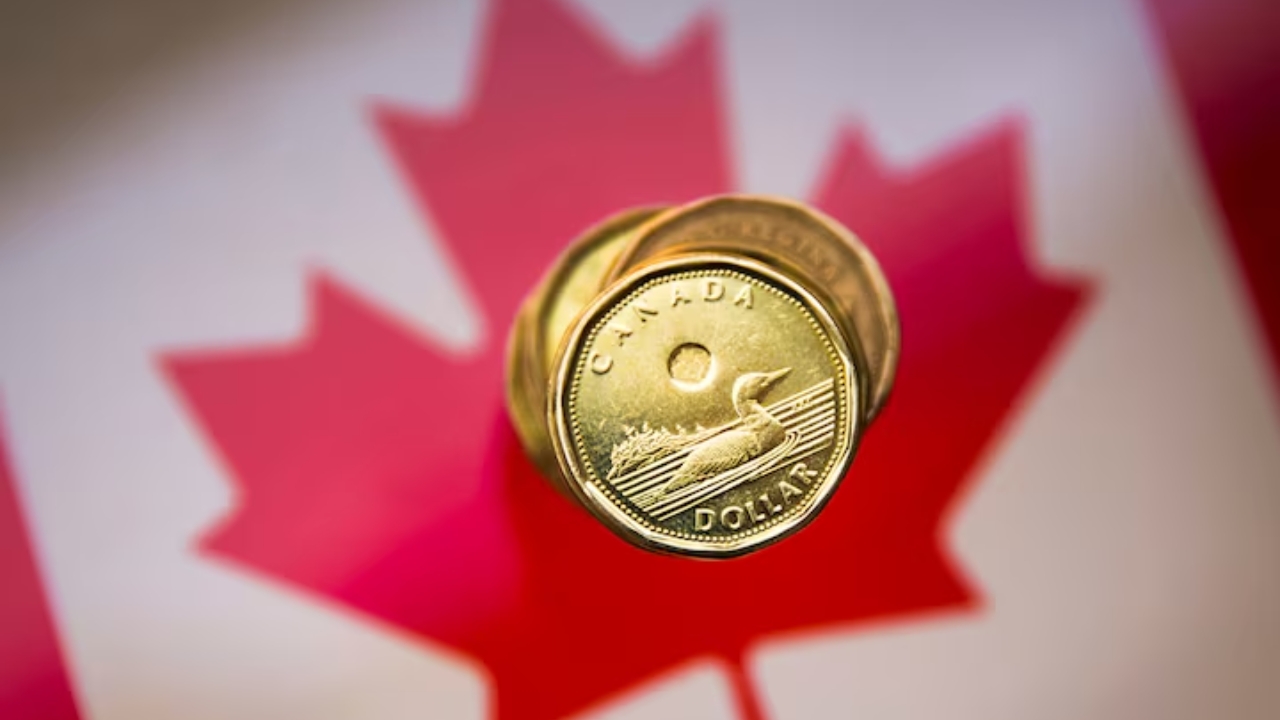
The Canadian dollar, also called the loonie, bounced back strongly this week after falling earlier in September. Its rise was connected to new U.S. economic data that made investors believe the U.S. central bank, known as the Federal Reserve, might soon cut interest rates.
This shift in expectation gave Canada’s currency fresh strength, even though oil prices dropped and Canada still faces its own economic challenges. The story of this rebound shows how closely linked Canada’s economy is to the United States, and how global financial trends affect people on both sides of the border.
A Currency on the Move
The loonie had been weak for nearly three weeks, trading near its lowest level against the U.S. dollar. Many analysts worried it would continue to slide if U.S. economic reports stayed strong, since higher U.S. interest rates usually push the American dollar up and weigh on other currencies.
But the tide turned when new U.S. data showed signs of a cooling economy. Investors quickly changed their views. Instead of expecting the Fed to keep interest rates high for a long time, they began to bet on earlier cuts. That shift gave the Canadian dollar the push it needed to recover.
What the U.S. Data Showed
Two major reports shaped investor thinking:
Jobless Claims Rose
More Americans filed for unemployment benefits than experts had expected. This increase suggested that the U.S. job market may be losing some strength. A weaker labor market often encourages central banks to cut interest rates, since it points to slowing growth.
Inflation Continued
Consumer prices, especially in housing and food, rose in August. Inflation staying high is usually a reason to keep rates elevated. But when paired with weaker job data, it tells a more complex story: growth is slowing, but people are still paying more for everyday needs.
This mix made many believe the Fed will act to prevent a deeper slowdown. Rate cuts could support jobs and ease borrowing costs, even if inflation remains a concern.
Why Interest Rates Matter for Currencies
Interest rates are one of the biggest drivers of exchange rates. If a country offers higher interest rates than others, investors often move their money there to earn better returns. That demand makes the currency stronger.
When rates are cut, the opposite happens. A currency may weaken because investors look elsewhere. But if all major economies are cutting or planning to cut, the effects can shift. In this case, the U.S. dollar may weaken if the Fed cuts rates, giving a relative boost to the Canadian dollar.
Canada’s Own Situation
The Bank of Canada has already cut interest rates this year, bringing its main rate to 2.75%. Many expect one more cut before the year ends, depending on how the economy performs.
Canada faces several challenges:
- High household debt, which makes families sensitive to interest rate changes.
- Housing costs, which remain high in major cities.
- Oil prices, which directly affect Canada’s export earnings.
Despite these issues, Canada has been taking steps to strengthen its economy. The government recently announced plans to speed up approval for large projects, including liquefied natural gas (LNG) terminals. These moves could attract new investment and create jobs, making the economy less dependent on oil alone.
Oil Prices and the Loonie
Oil is a big part of Canada’s story. The country is one of the world’s largest oil exporters. Usually, when oil prices rise, the Canadian dollar gains value because buyers need Canadian dollars to purchase oil.
But this week, oil prices dropped by about 1.9%. Under normal circumstances, that would have weighed heavily on the loonie. The fact that the currency still strengthened shows how powerful the U.S. data was in shaping market views.
Bond Yields and Market Sentiment
Canadian government bond yields also fell, with 10-year bonds reaching their lowest level since May. Lower bond yields signal that investors expect slower growth and possible further rate cuts.
This aligns with the broader picture: both the U.S. and Canada may be moving toward looser monetary policy to support growth. For currencies, these expectations are just as important as actual interest rate decisions.
Why Investors Care About the Loonie
- The Canadian dollar is more than just a symbol of national pride. It plays a key role in trade, tourism, and investment.
- For businesses, a stronger loonie makes imports cheaper but can make exports more expensive.
- For travelers, it affects how much Canadians spend abroad and how much foreign visitors spend in Canada.
- For investors, it reflects confidence in the Canadian economy and signals where global money might flow.
- When the loonie rebounds, it often boosts confidence in Canada’s broader economic outlook.
A Tale of Two Economies
The story also highlights how closely Canada and the U.S. are connected. Over 70% of Canada’s exports go to the United States. That means Canadian growth often follows U.S. trends.
If the U.S. slows down, Canada usually feels it. If the U.S. dollar weakens due to rate cuts, the Canadian dollar can benefit. This interdependence means Canadian policymakers and investors always watch U.S. economic data closely.
What Could Happen Next
Looking ahead, there are several key questions:
Will U.S. job data keep weakening?
If unemployment continues to rise, pressure on the Fed to cut rates will grow.
Can Canada’s government deliver on fast-tracking big projects?
If new investments flow in, Canada could reduce its reliance on oil exports and strengthen its long-term economy.
How will oil markets behave?
If oil prices recover, the loonie could gain even more ground. But if they keep falling, it may limit Canada’s currency strength.
What will central banks do?
The Bank of Canada and the Fed face similar challenges: balancing inflation with growth. Their decisions will shape currency moves for months to come.
Why This Matters for Ordinary People
- Some might think currency news only matters to investors, but it affects everyday life too.
- If the Canadian dollar is strong, imported goods like electronics and clothes can become cheaper.
- If it weakens, Canadians may pay more for items brought in from abroad.
- Exchange rates also affect travel costs and even tuition fees for Canadian students studying in the U.S. or elsewhere.
- So when the loonie rebounds, it can bring real benefits to households and businesses.
The Bigger Picture
The Canadian dollar’s rebound is part of a larger global story. Around the world, central banks are struggling with the same problem: inflation that won’t fully go away and economies that risk slowing down.
This balancing act means currencies will keep moving as investors try to guess the next steps. For Canada, being tied so closely to the U.S. means its path is shaped not just by its own economy, but also by America’s choices.
The loonie’s recovery shows how quickly market moods can change. Just a few weeks ago, it seemed stuck at a low point. But one shift in U.S. data turned the tide.
For Canada, this moment offers both relief and a reminder: its currency and economy are deeply linked to global forces. The weeks ahead will reveal whether this rebound is the start of a stronger trend or just a brief pause before more challenges.