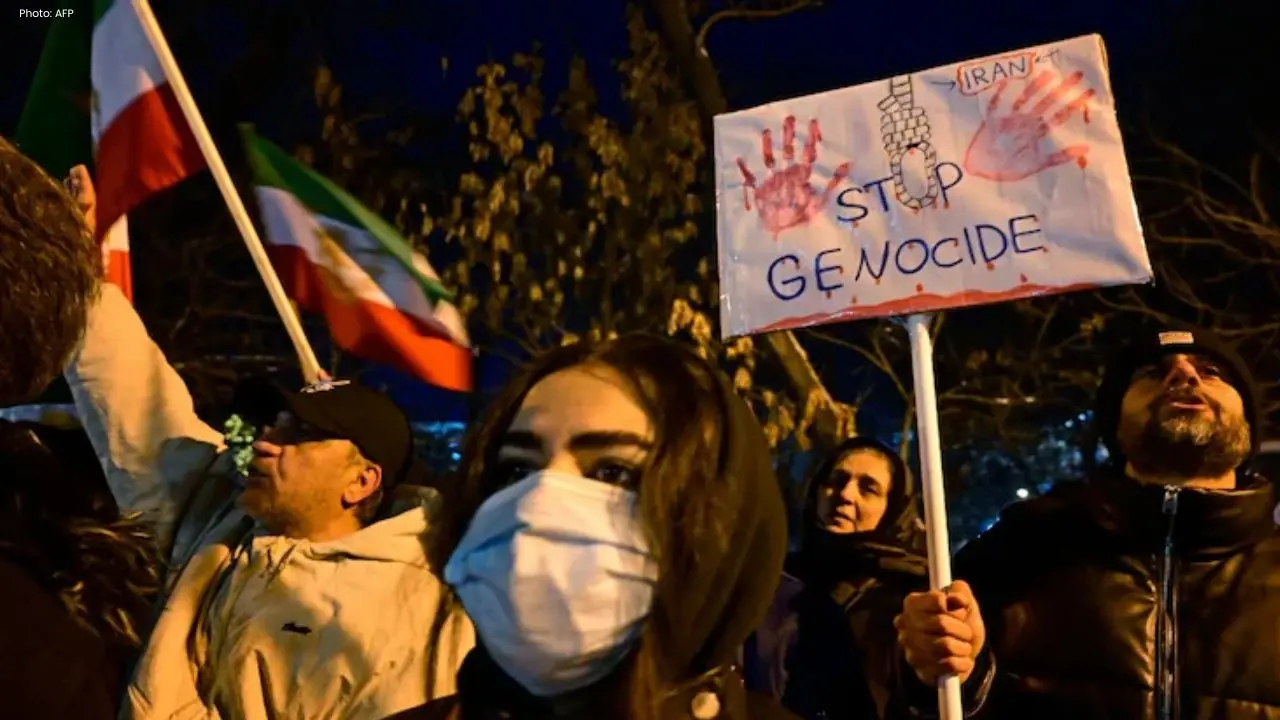
In a significant diplomatic initiative, four Arab nations successfully engaged in dialogue to avert a possible US military strike on Iran this week, responding to heightened tensions due to Tehran’s actions against protesters.
Saudi Arabia, Qatar, Oman, and Egypt conducted urgent discussions with officials in Washington and Tehran over a span of 48 hours, cautioning that military action could unleash severe security and economic repercussions across the Middle East. As fears mounted, regional leaders recognized the potential for conflict to extend beyond Iran, posing direct threats to Gulf countries.
A senior official from the Gulf region noted that the nations urged the US to consider that any attack on Iran would likely provoke a broader response. They emphasized that such retaliation could jeopardize stability, disrupt energy markets, and adversely affect global economies, ultimately undermining American interests.
Simultaneously, clear warnings were articulated to Tehran. Iran was informed that any military responses aimed at US bases in Gulf nations would severely damage its relationships with neighboring countries and jeopardize recent diplomatic efforts.
This diplomatic maneuvering coincided with President Donald Trump’s announcement of his decision to refrain from authorizing a strike for the moment, citing signs of reducing violence within Iran. Regional stakeholders interpreted this as a crucial breather that decreased the immediate threat of escalation.
Efforts concentrated on de-escalation, moderating aggressive rhetoric, and avoiding miscalculations that could lead to larger conflicts. This diplomatic engagement may also create avenues for renewed negotiations regarding Iran’s nuclear program, a persistent contention between Tehran and Western nations.
Oman and Qatar, with their histories of mediating Iran-West conflicts, were instrumental in communication and encouraging restraint. Saudi Arabia and Egypt, notwithstanding their historically tense relations with Iran, participated due to apprehensions about regional security and economic stability.
Saudi Arabia’s involvement illustrates a notable shift in regional dynamics following its 2023 thaw with Iran, ending years of rivalry. The focus has since shifted towards economic development and mitigating regional tensions that could threaten long-term objectives.
Gulf nations are vigilant about US military installations possibly becoming entangled in any conflicts involving Iran. There are also significant concerns that vital energy infrastructure could be targeted, elevating the risks associated with military engagements.
Saudi Arabia and Qatar maintain robust relations with the Trump administration, while Qatar and Egypt have collaborated closely with the US on mediation in Gaza, amplifying regional anxieties in Washington during the crisis.
While the immediate threat of military action appears to have diminished, officials note that tensions between the US and Iran remain fraught. Nevertheless, the coordinated diplomatic efforts from Arab nations underscore the rising significance of regional mediation in preventing sudden escalations in an already precarious Middle East.