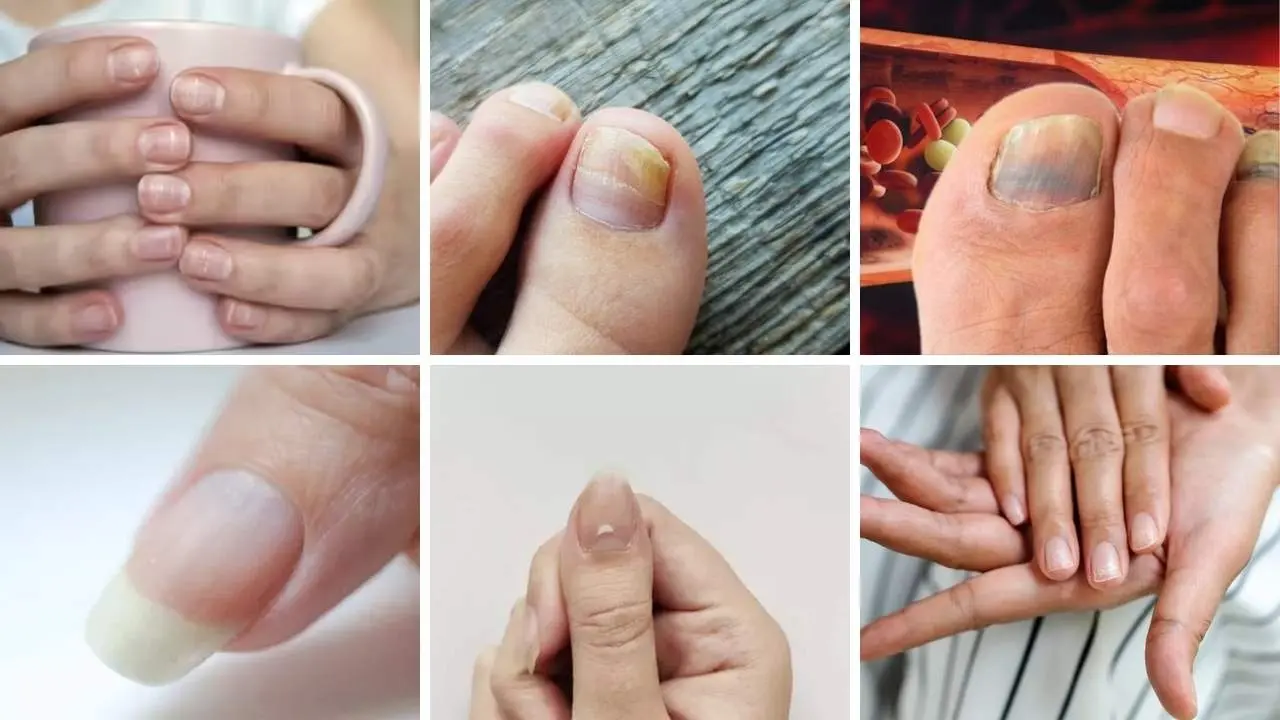
Seven Nail Changes That May Signal High Cholesterol
High cholesterol often goes unnoticed, as symptoms can be subtle or entirely absent. Many individuals may carry high cholesterol without realizing it, allowing dangerous buildup in blood vessels that can lead to heart disease and strokes.
While blood tests are the standard for monitoring cholesterol, the body sometimes offers early warnings in surprising forms. One such indicator is found in nails, which can actually reflect one's overall health. Changes in the color, texture, or growth of nails may suggest impaired circulation linked to high cholesterol.
It's crucial, however, to understand that alterations in nails are not definitive proof of high cholesterol. Should you observe these changes persistently, they warrant further investigation.
Here are seven nail changes to be aware of that may correlate with high cholesterol and insufficient blood flow:
1. Pale or Whitish Nails
Normal, healthy nails are generally light pink due to adequate blood flow. If your nails appear unusually pale or white, it could indicate poor circulation.
A buildup of cholesterol can narrow blood vessels, limiting oxygen-rich blood to fingers and toes. Insufficient blood flow can alter nail color. Consult a healthcare professional, as other conditions may also result in pale nails.
2. Yellow-Colored Nails
While yellow nails are typically associated with fungal infections, they may also stem from broader internal health issues. High cholesterol can interfere with the body’s fat metabolism, affecting nail color.
If yellow nails persist despite proper care, it may suggest an underlying health concern.
3. Slow Nail Growth
Typically, nails grow at a consistent rate. A noticeable slowdown in growth can indicate reduced blood supply.
Cholesterol issues may restrict blood flow to extremities, causing slower nail growth—a potential early warning sign of circulation issues.
4. Thick or Hard Nails
Some individuals observe their nails becoming thicker or harder over time. This may indicate that the nail bed is not receiving enough nutrients.
A decrease in nutrient flow due to high cholesterol can alter nail texture, making them challenging to trim. Pay attention to thick nails, especially when accompanied by other symptoms.
5. Brittle or Weak Nails
Nails prone to easy breaking, cracking, or splitting may signal nutrient deficiencies. High cholesterol can impact how nutrients circulate, weakening nails over time.
While brittleness can be due to factors like aging, prolonged weakness might indicate circulation or nutritional concerns that require attention.
6. Blue or Purple Tinge Near Nails
A blue or purple coloration around the nails could signal insufficient oxygen reaching the fingers. This may occur due to narrowed or blocked blood vessels from cholesterol buildup.
Seek medical advice if this symptom appears alongside cold hands or feelings of lethargy.
7. Curved or Clubbed Nails
If your nails curve downward or appear enlarged at the tips, these are considered clubbed nails. This change can signify low blood oxygen levels.
Though there are multiple reasons for nail clubbing, it is vital to investigate heart or vascular concerns triggered by cholesterol. Doctor consultation is advisable for any sudden nail shape alterations.
Understanding the Impact of High Cholesterol on Nails
Cholesterol accumulation can form fatty deposits in blood vessels, impairing blood flow over time, particularly to extremities.
Reduced blood flow leads to visible alterations in nails, shedding light on possible circulation concerns tied to cholesterol.
A Reminder to Stay Vigilant
Nail changes don't always indicate high cholesterol; many issues arise from infections, injuries, aging, or diets. Yet, persistent changes should be treated seriously, especially alongside fatigue or poor circulation.
Cholesterol levels are best confirmed via a blood test.
Tips for Heart and Nail Health
To manage cholesterol and enhance overall wellness:
-
Maintain a balanced diet rich in fruits, vegetables, and whole grains.
-
Limit fried, oily, and processed food intake.
-
Engage in frequent physical activities.
-
Avoid tobacco products.
-
Schedule regular health check-ups.
-
Continue to monitor cholesterol levels with blood tests.
Incorporating healthy lifestyle choices promptly can diminish the odds of more severe heart-related issues in the future.
You might be surprised at how much your nails can reveal about your health. While they cannot definitively diagnose high cholesterol, observable changes in growth, shape, or coloration may hint at circulation issues related to cholesterol buildup.
Being aware of these signs and seeking timely medical advice can safeguard your heart and overall wellness. When it comes to cholesterol, early detection and action can be life-saving.
Disclaimer
This article aims to inform and raise awareness. It should not replace professional medical guidance, diagnosis, or treatment. Information is based on general health insights, and readers should consult a qualified healthcare expert for personalized advice, particularly if they have pre-existing conditions or ongoing symptoms. The author and publisher cannot be held liable for any consequences stemming from the use of this content.
Nail changes can arise from diverse causes including infections, injuries, aging, or underlying medical situations. Accurate confirmation of cholesterol levels or related health issues necessitates appropriate medical evaluations, including blood tests. Readers are strongly encouraged to reach out to a qualified healthcare professional for any health-related queries, especially concerning cardiovascular health.